The British Judo Association: an official history Professor Jean Williams

Introduction

Working with the British Judo Association, ahead of the Commonwealth Games in 2022, which open on Thursday 28 July 2022, Jean is writing a History of British Judo, using the minute books and archives held in Walsall. As the only Olympic sport based in Walsall, Judo has a potentially huge influence not just on raising aspirations to sport in the local area, but to influence young people generally to aim high in their hopes and dreams. In Birmingham there will be 19 sports, involved over 11 days of competition, and 286 individual events.
Judo, translated to ju-soft/gentle, do-way, used yielding techniques, where the opponent’s body weight was used against them. Pliancy was an important skill, and also an intellectual challenge. Dō, from the Chinese Tao also means discipline, or method. The study of the way has, at its core, the idea of morality. The ju, element is therefore the means to attain the way, through the highest moral behaviors. As we count down to what will be the largest ever Commonwealth schedule, what do we know about British Judo, and its global influence?
Victorian Judo and self defence was very fashionable

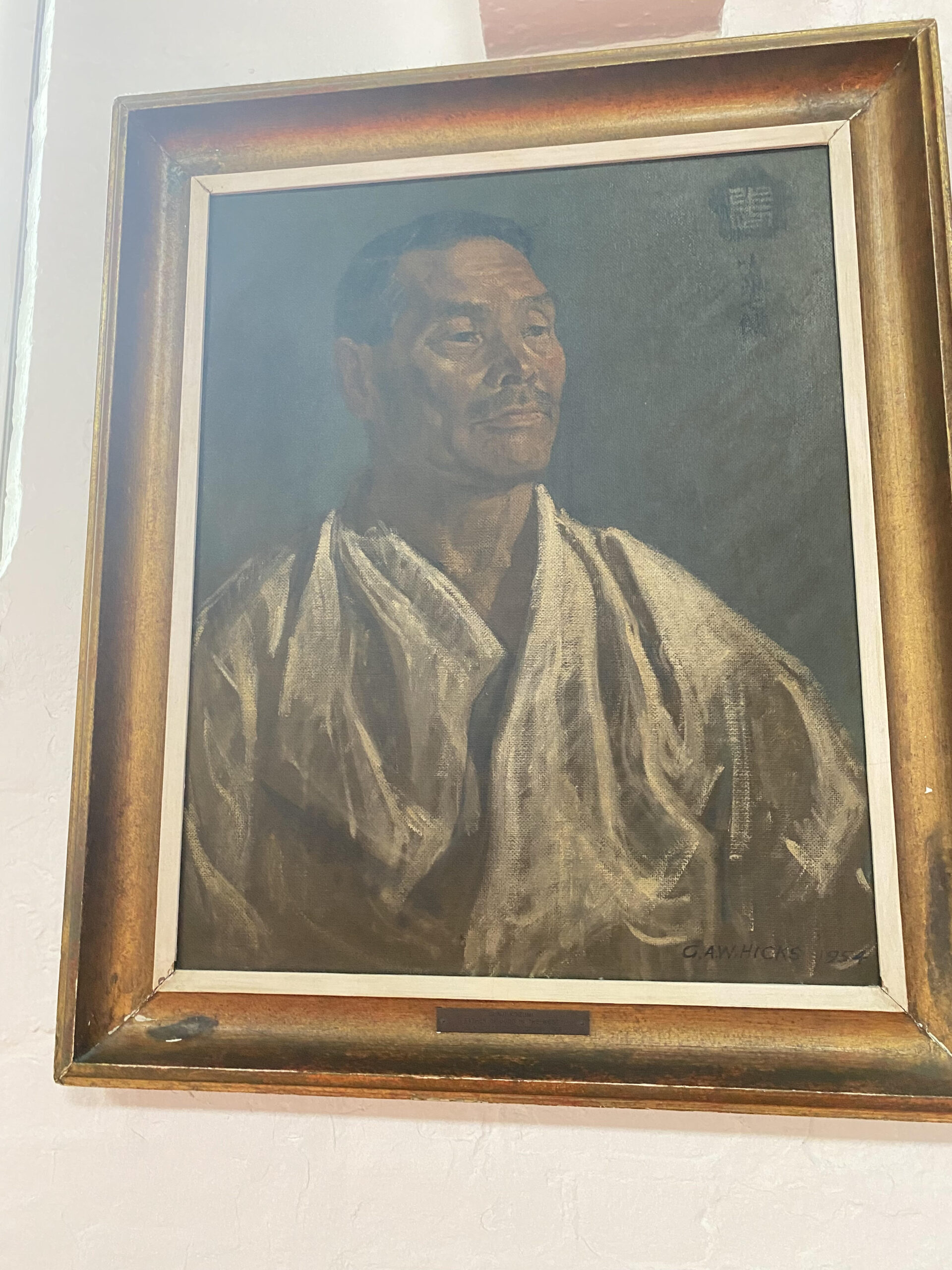
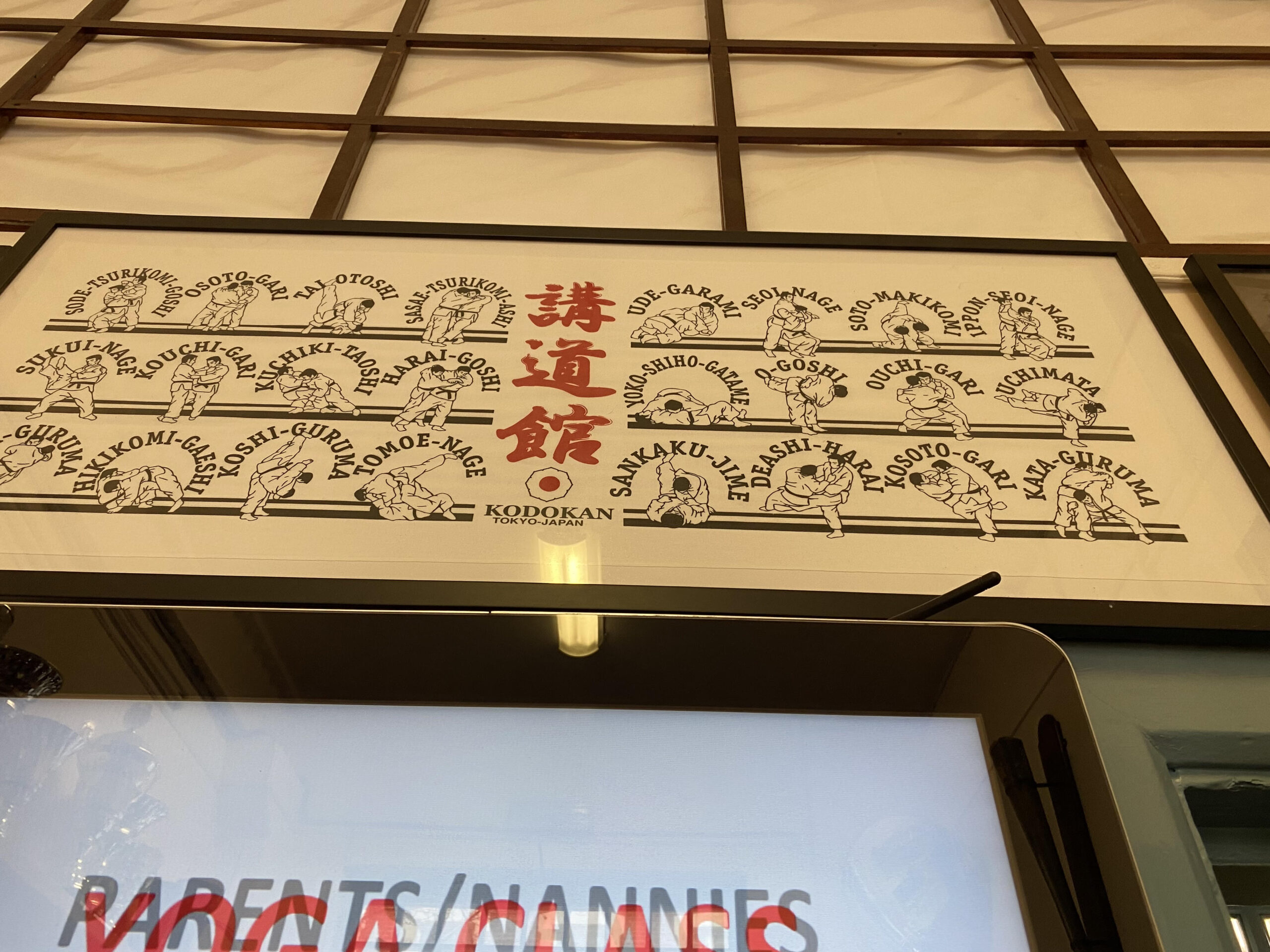
The Japanese martial arts have a strong link with history and tradition and, in 1882, Jigoro Kano based his new form of judo on existing techniques of jujitsu, soon establishing a school which he named the Kodokan, or the place to study the way. In this sense, Kodokan Judo is the more correct term, often shortened just to the latter word, and also the synonym Yawara, which is now less often used.

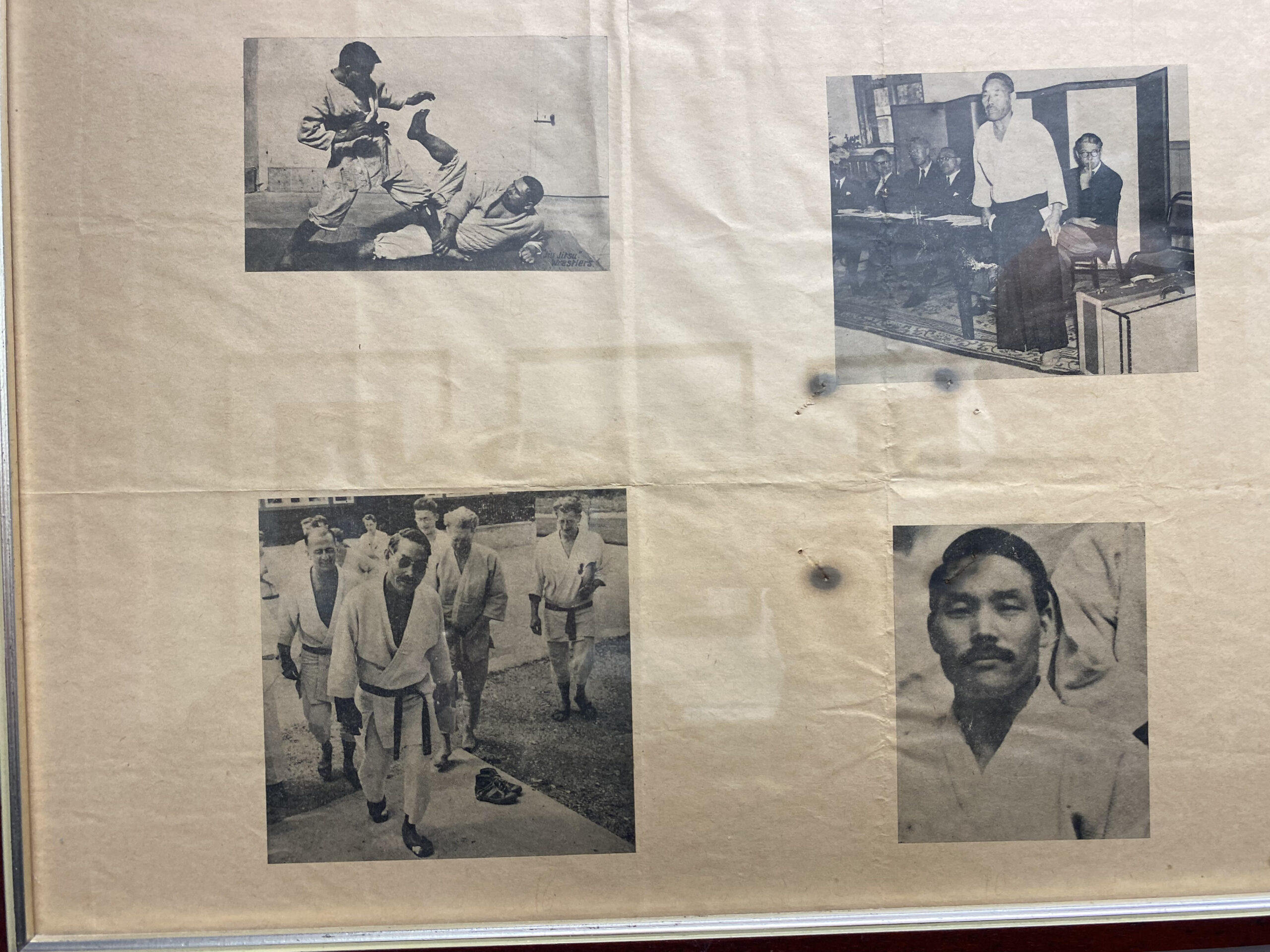
Judo was represented in Victorian art, literature, drama, fashion, and wider British culture. This fashion was called Japonisme, meaning the fashion for all things Japanese, and evident across the world from the 1870s. French art critic Philippe Burty used the term Japonisme to describe a craze for Japanese art and design, particularly in Western Europe, after Japan reopened her trading links with the world more extensively from 1858 onwards. Woodblock prints and porcelain were particularly sought after, with its trademark style of asymmetry, diagonal planes and abstract uses of colour. Japanese gardens, and dress were particularly popular subjects. This popularity helped to promote Judo beyond those who practised the activity, along with other martial arts.
Rather than being something that relied upon strength, Judo relied upon using the weight of the opponent against them, enabling smaller people to topple larger opponents. This was a popular Victorian motif. Arthur Conan Doyle, for instance, was a man who loved sport, playing to a high standard and as a boxer particularly, was keen a member of London’s National Sporting Club when it was formed in 1891. He played on goal for amateur Portsmouth AFC, and was captain of the cricket club, taking the wicket, once, of the great WG Grace. He also loved motor sport, skiing and cycling.

When he introduced the world to Sherlock Holmes in 1888 in book form, there were many references to his many sporting enthusiasms in the fiction. However, Sherlock Holmes was not one of them, and Conan Doyle decided to kill him off in 1893 in the Final Problem, along with his nemesis Professor James Moriarty, plunging to their deaths at The Reichenbach Falls. Although the Hound of the Baskervilles was subsequently published in 1901 as a kind of prequel to Final Problem, Conan Doyle had to give in and concede that Holmes was globally popular, explaining in The Return of Sherlock Holmes in 1903 that he had used a form of Baritsu, a fictionalised interpretation of jujitsu, to use Moriarty’s weight to his advantage before diving into the falls and faking his death for several years to catch more of Moriarty’s gang members. Jujitsu and judo were synonymous at the time.

Unconvincing as a plot twist this may have been, it was rumoured that Queen Victoria was ‘not amused’ by the most famous popular crime fiction writer of her reign, killing off one of her favourite characters. Similarly, although ostensibly knighting Conan Doyle in 1902 for his medical work during the Boer War, Edward VII let it be known that as an avid Sherlock Holmes fan it would not go amiss if ennobling the doctor would produce more stories. This example is just one of the ways in which the idea of Japanese-derived tastes, extending to martial arts, jujitsu and the intelligent use of strength was made absolutely fashionable, and topical as an idea, as much as a reality. Being a Japanophile in style, taste and sympathy was a pursuit endorsed by the highest echelons of Victorian and Edwardian society in Britain.
Judo as an Olympic Sport

An ambivalent Jigoro Kano trialled judo as a demonstration Olympic event in Los Angeles in 1932, along with his students. Jigoro Kano was by then campaigning for Tokyo to host the Olympic Games in 1940, but by 1932, Japan had increasingly strained relationships with the British in international relations. Domestically, in Britain judo came to have resonances which made it unpopular with wide sections of the population.

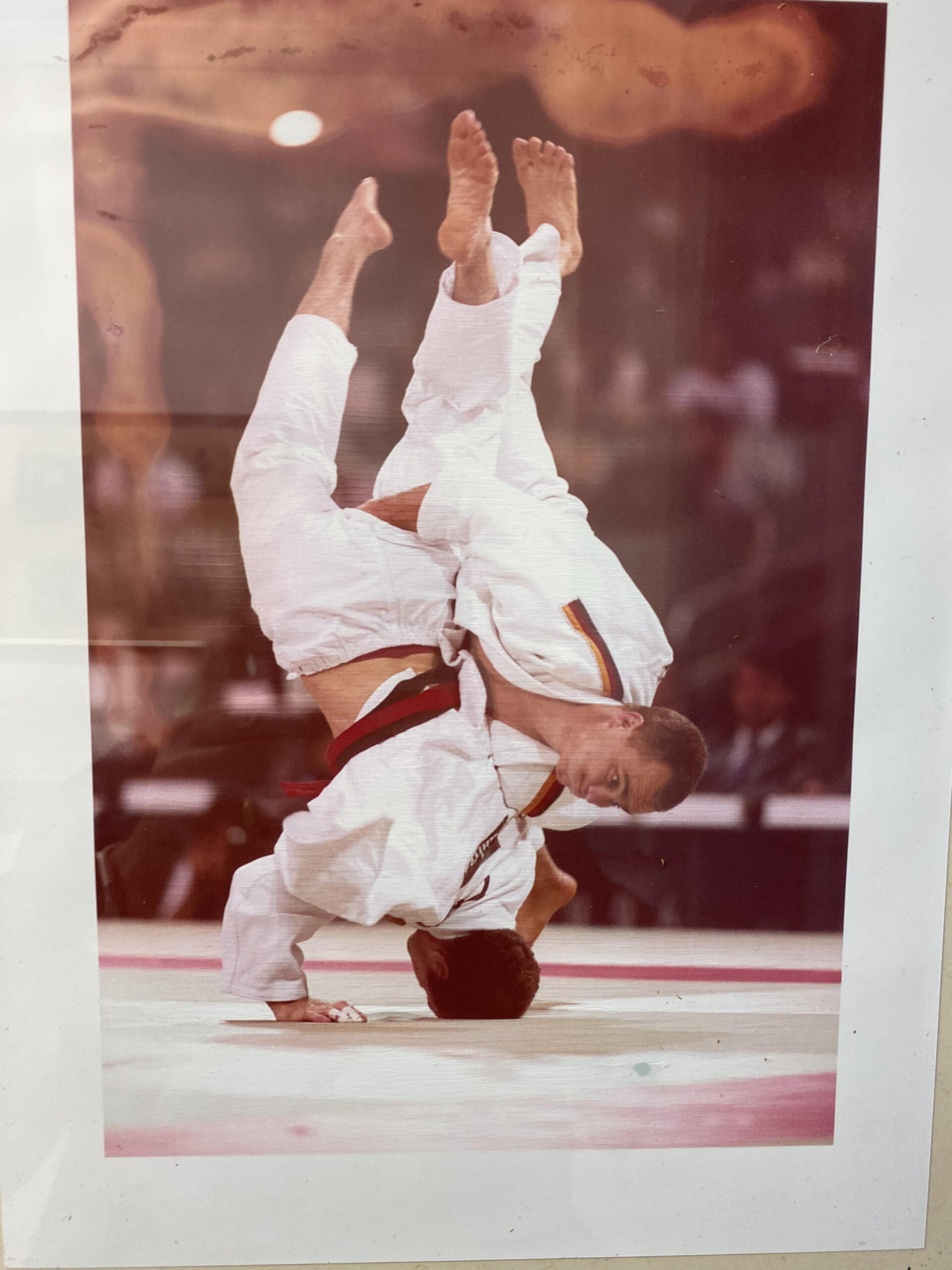
Thirty two years later, Judo was, for the first time, an Olympic medal winning event in Tokyo in 1964, and the finals were televised as part of the Summer Olympic Games. Medals were awarded in four classes, in men only disciplines. Held in the Nippon Budokan, built to host the competition, British contestants were reportedly astounded by the building but underwhelmed by quality of the judo itself and concerned that television would not show the sport in a good light as a result.
In 1964, judo joined approximately 20 other Olympic sports, and 270 British competitors, in Tokyo. Competitors could expect to be clothed, fed and provided with economy travel, but training would be the British Judo Association’s responsibility. Insurance did not cover entrants against injury in actual competitions, and the BOA would write to employers insisting that participants be fully paid while at the Olympic Games.

A total of 72 judoka from twenty-seven nations competed at the 1964 Tokyo Olympic Games, with Britain sending a four man team: Brian Jacks was the most lightweight, fighting in the under 68 kg category; Syd Hoare fought in the under 80 kg category; Anthony Sweeney in the heavyweight 80kg plus category, and Alan Petherbridge, eliminated in the Open category, completed the team.

Women’s Judo joined the Olympic schedule in 1992 as a medal-winning, rather than as a demonstration, sport, with Nicola Fairbrother taking a silver, and Kate Howey and Sharon Rendle winning bronze medals.
Commonwealth Games Judo History

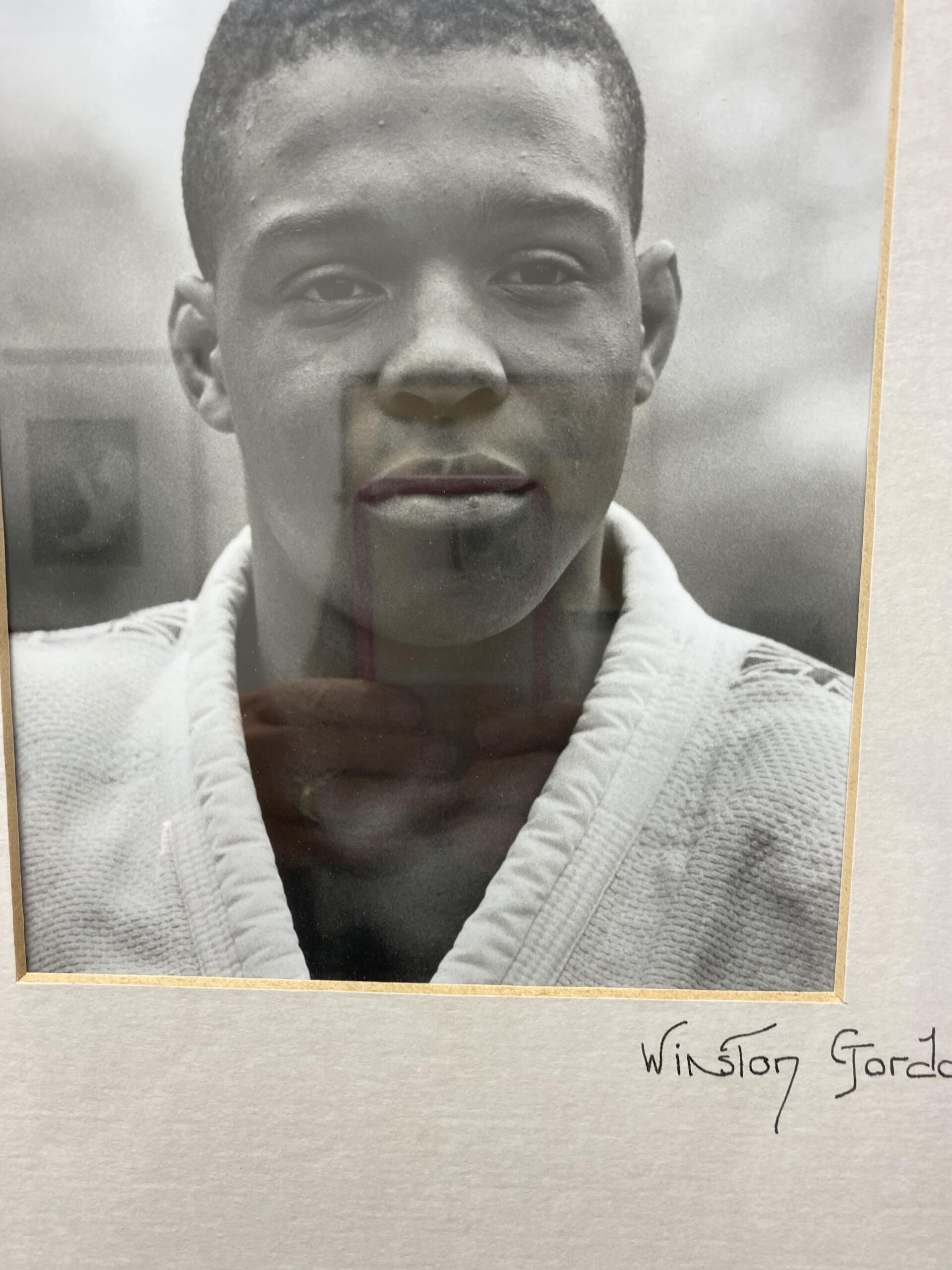
Judo has had a chequered part in the Commonwealth Games, being included in Ediburgh 1986, Auckland 1990, Manchester 2002, Glasgow 2014, and Birmingham 2022. As such it has relied much more on its international reputation as an Olympic sport. Elvis Gordon, Karen Briggs, Sharon Rendle, Kerrith Brown, Carl Finney, Anne Hughes, Paul Sheals, Diane Bell, Raymond Stevens, Eileen Boyle, Nichola Kokotaylo, Avril Malley, and Sandra Bradshaw therefore became Commonwealth judo champions in 1986, and so have many more British competitiors. Here’s hoping Birmingham 2022 inspires a new generation…