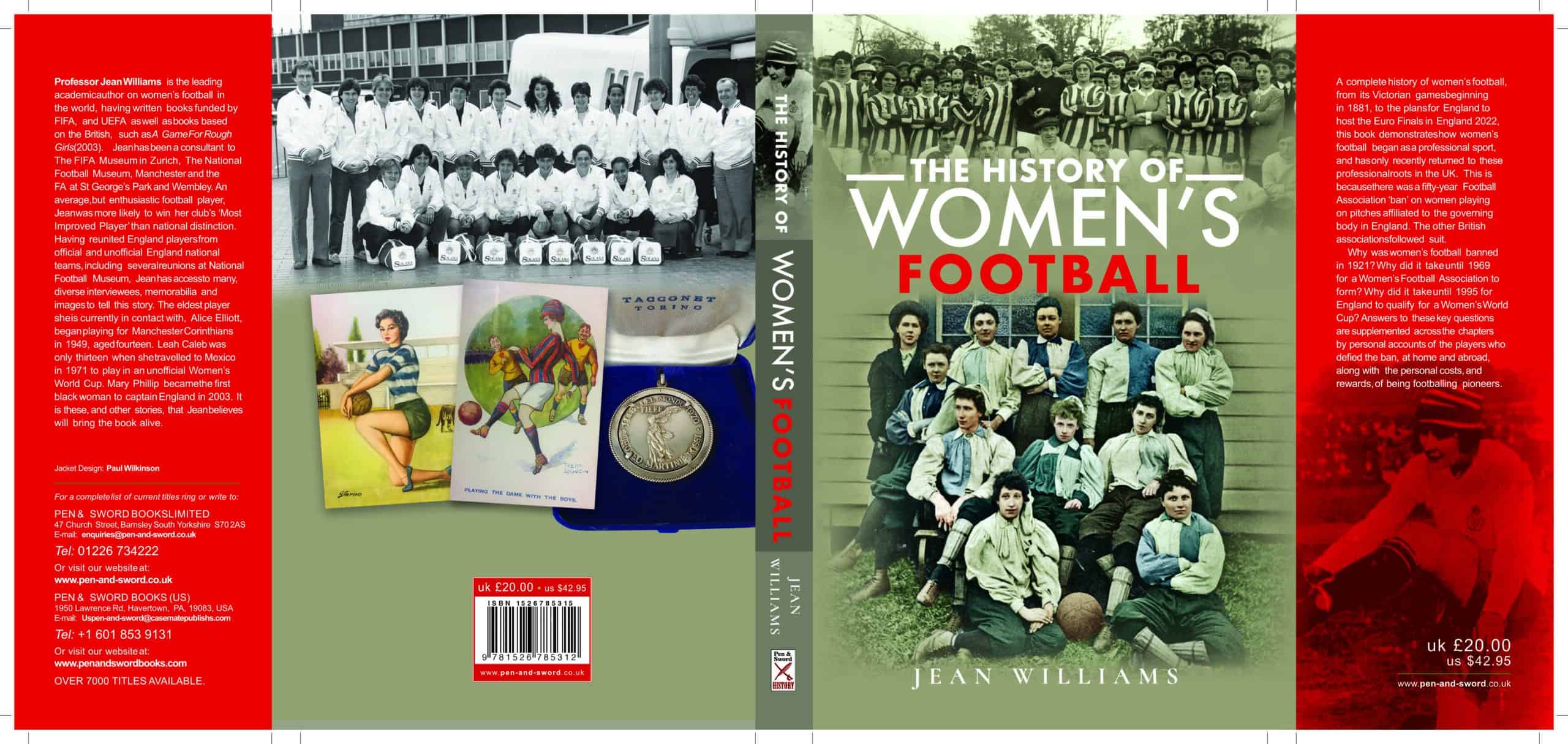
New Publication 2021 The History of Women’s Football with Pen & Sword Books

Introduction

As well as several smaller pieces of writing, Jean has recently published The History of Women’s Football with Pen & Sword. This is aimed at a broad public readership, rather than an academic audience, although it contains a lot of new research conducted during 2020.
The contents of the book are:
Introduction
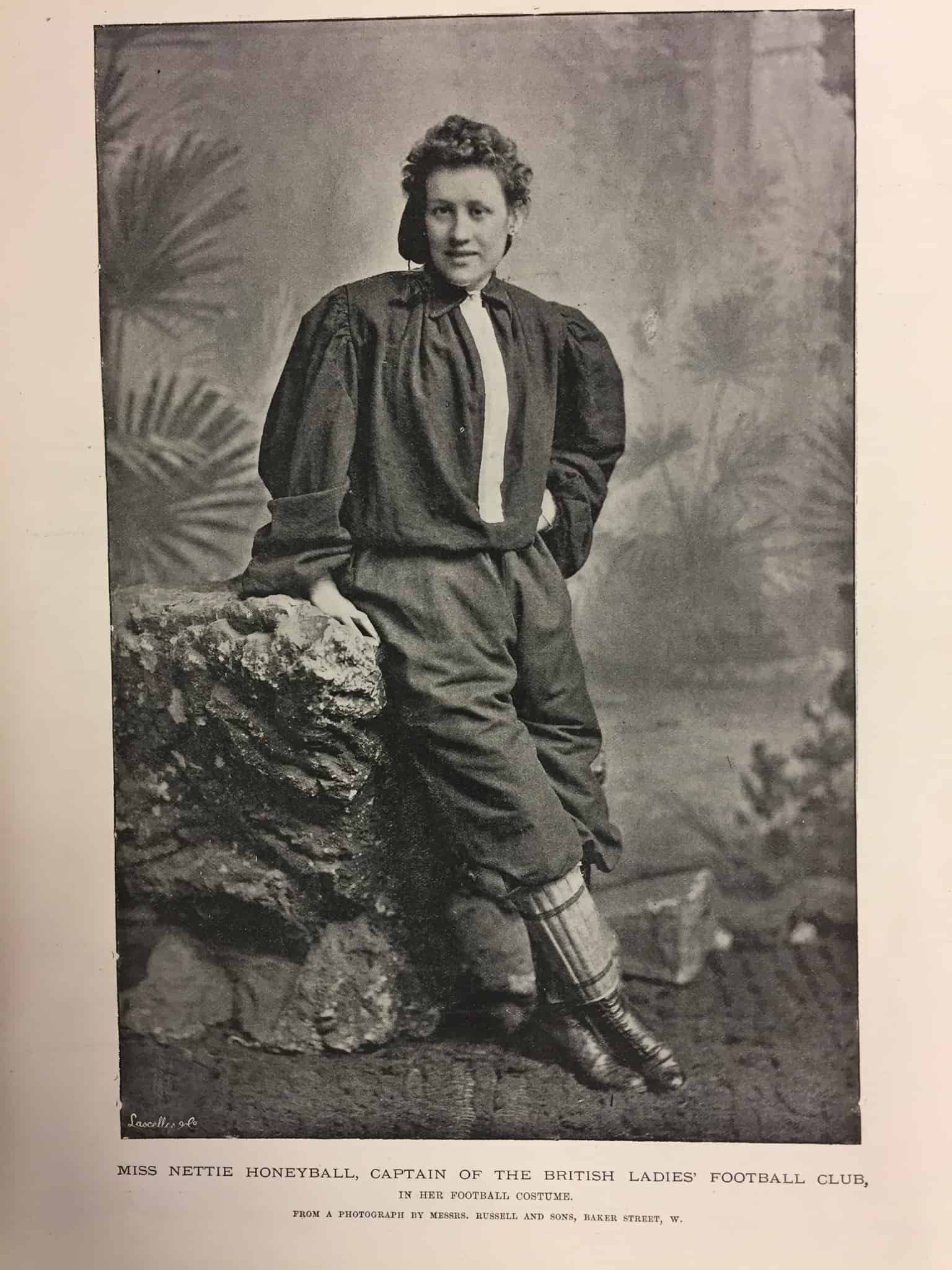
Chapter One: The Honeyballers and Lady Florence Dixie
Chapter Two: Banned
Chapter Three: The Corinthians and Nomad Globe Trotters Ladies Football Club of Manchester
Chapter Four: Harry Batt’s Touring Teams 1968-1972
Chapter Five: The Women’s Football Association and the Women’s National Team
Chapter Six: The First England Women Captains 1972-1995
Chapter Seven: Professional Pioneers 1972-2022
So what are the core themes of this work, and what is the new research it reveals?
Correcting Sporting Myths

The biggest preconception that the book challenges is that women’s football is ‘new’ or recently developing. Women have been known to play ball games for as long as ball games have existed. There were many unregulated forms of women’s football before the establishment of the Football Association (who wrote the modern Laws of the Game in 1863).
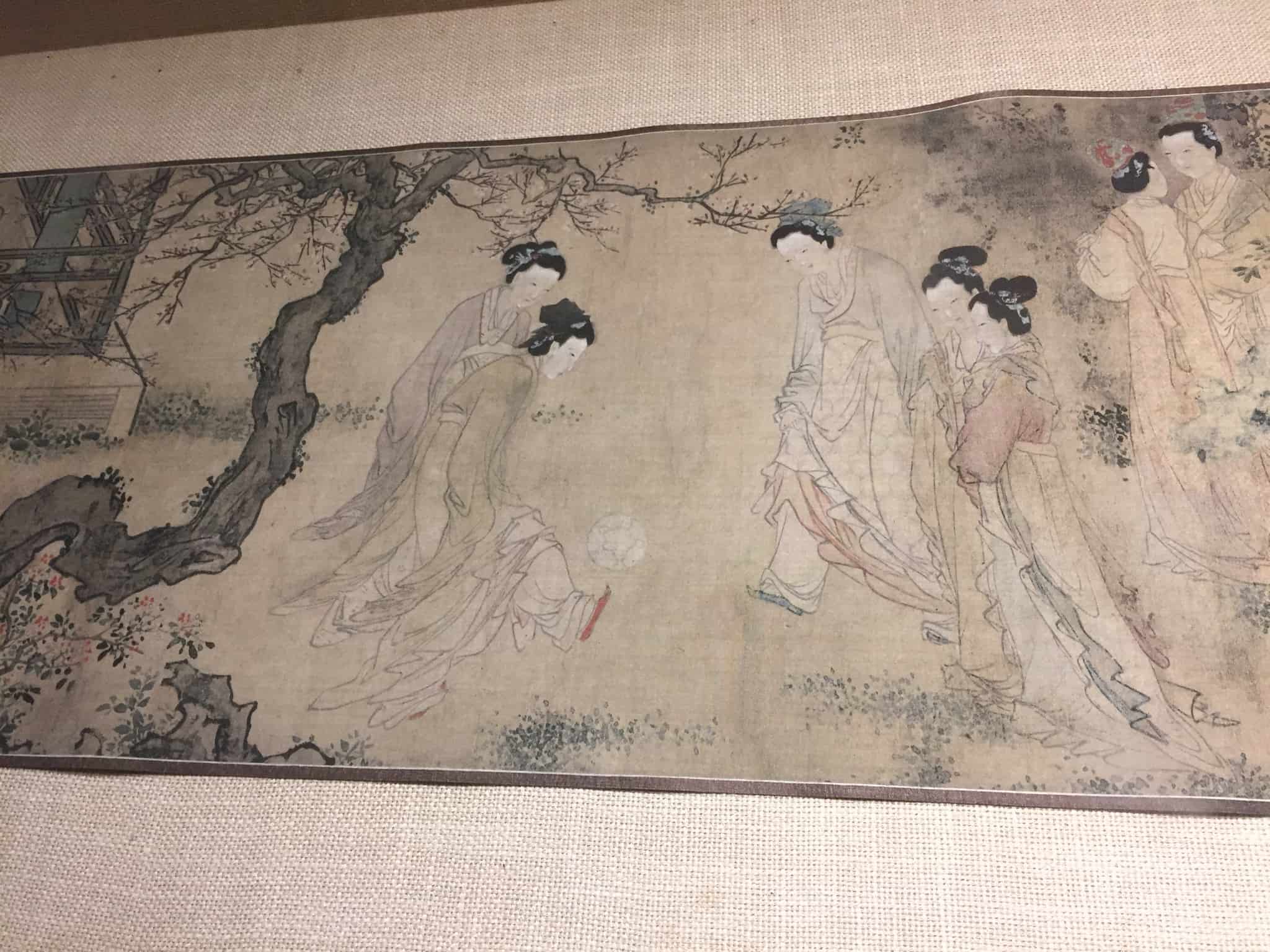
One such example was the centuries-old games in China known as Cuju (pronounced ‘shoo-ju’) in which the main skills and rules changed. In Cuju’s varied history there were women’s teams, and female expert players such as Peng Xiyun, who juggled the ball with her feet, head knees and chest, much in the same way that Freestyle champions do today.
In Europe, and particularly Britain, Whitsun was a traditional time to play matches, to celebrate abundance or potency, and here the ball was symbolic of the seed being successfully sown into the earth and harvested. These fixtures were often called barley breaks, popular with both men and women agricultural labourers, and often linked with feasting, dancing and celebration. There were also married women versus single women matches.
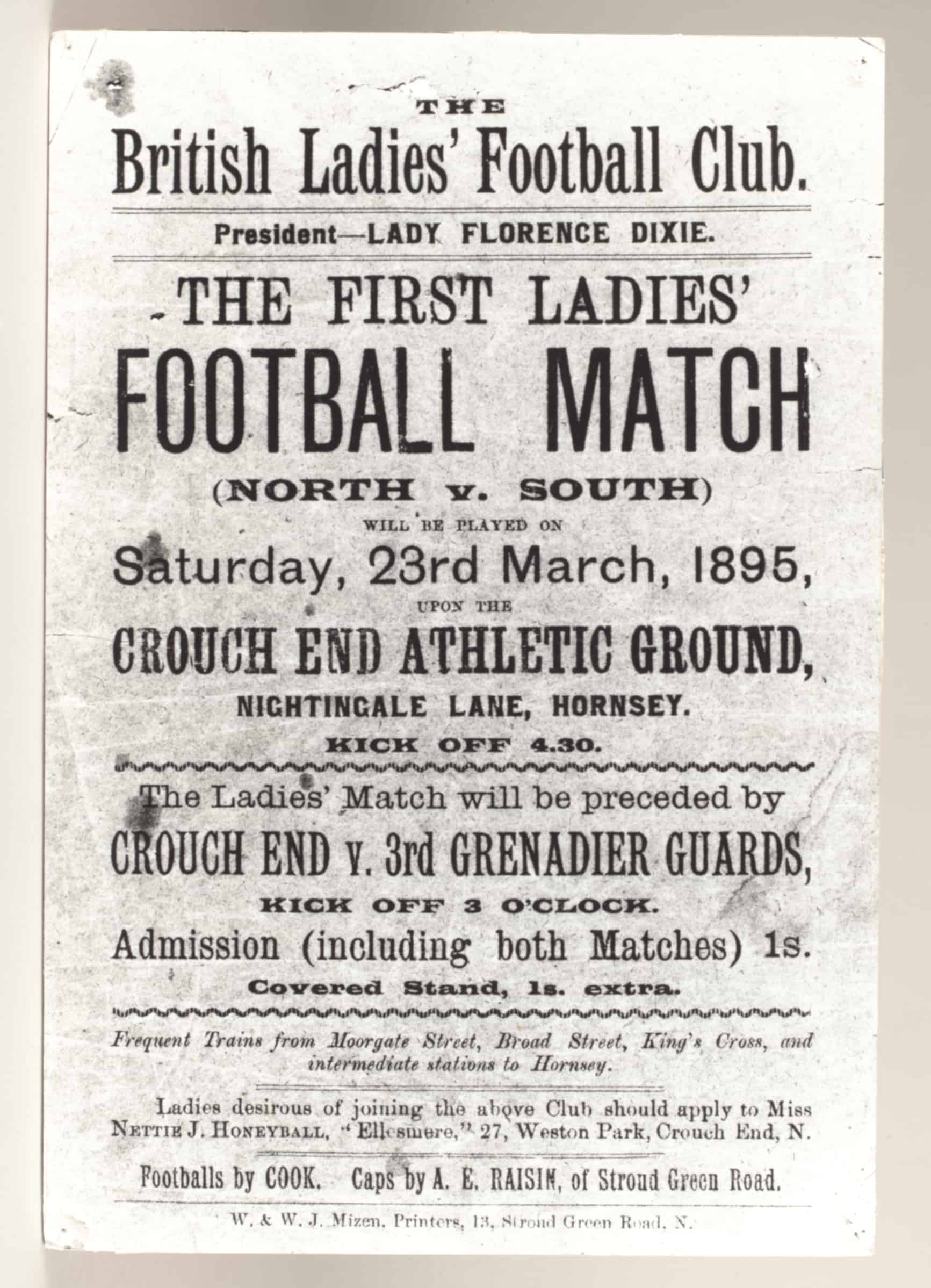
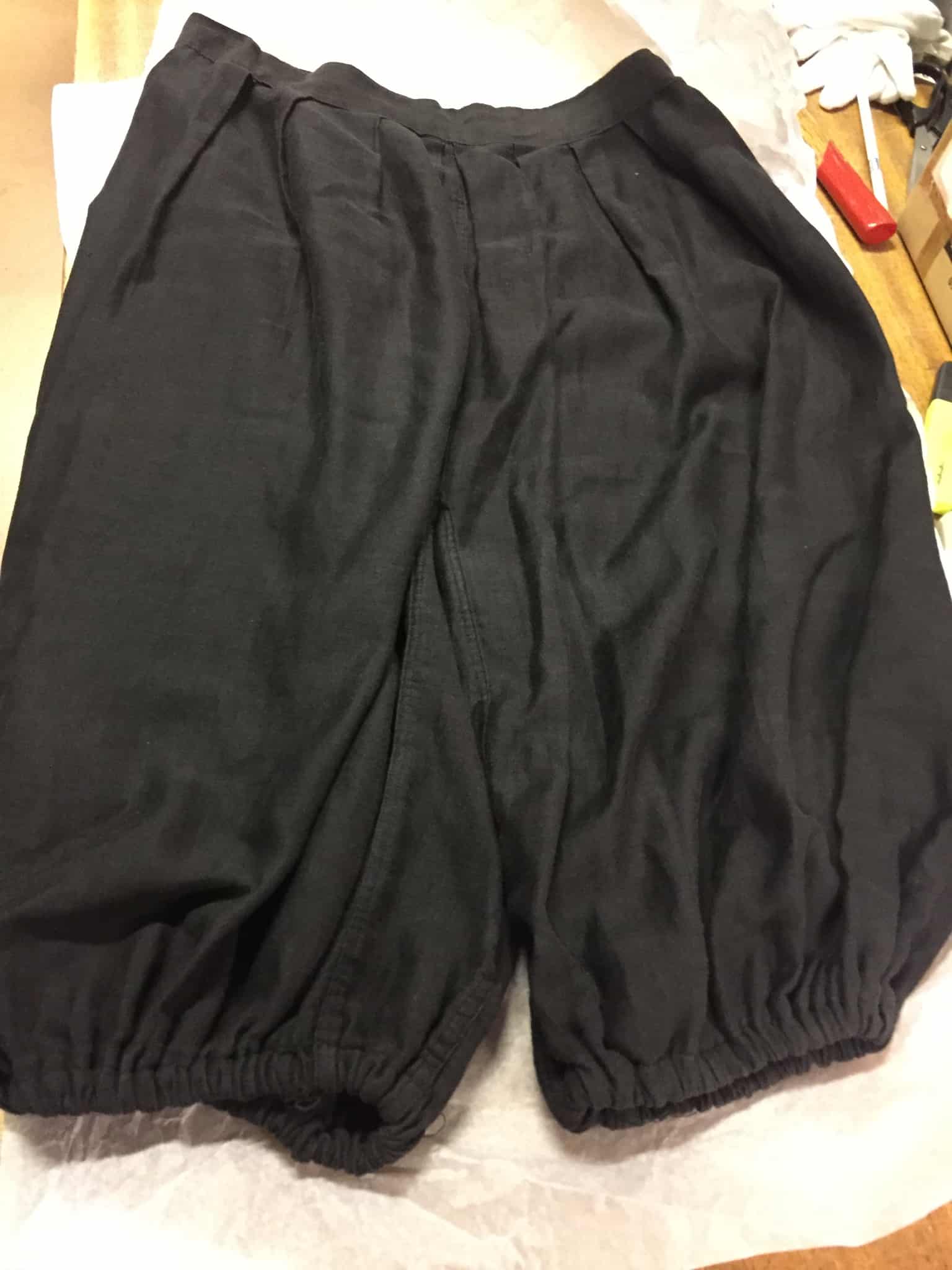
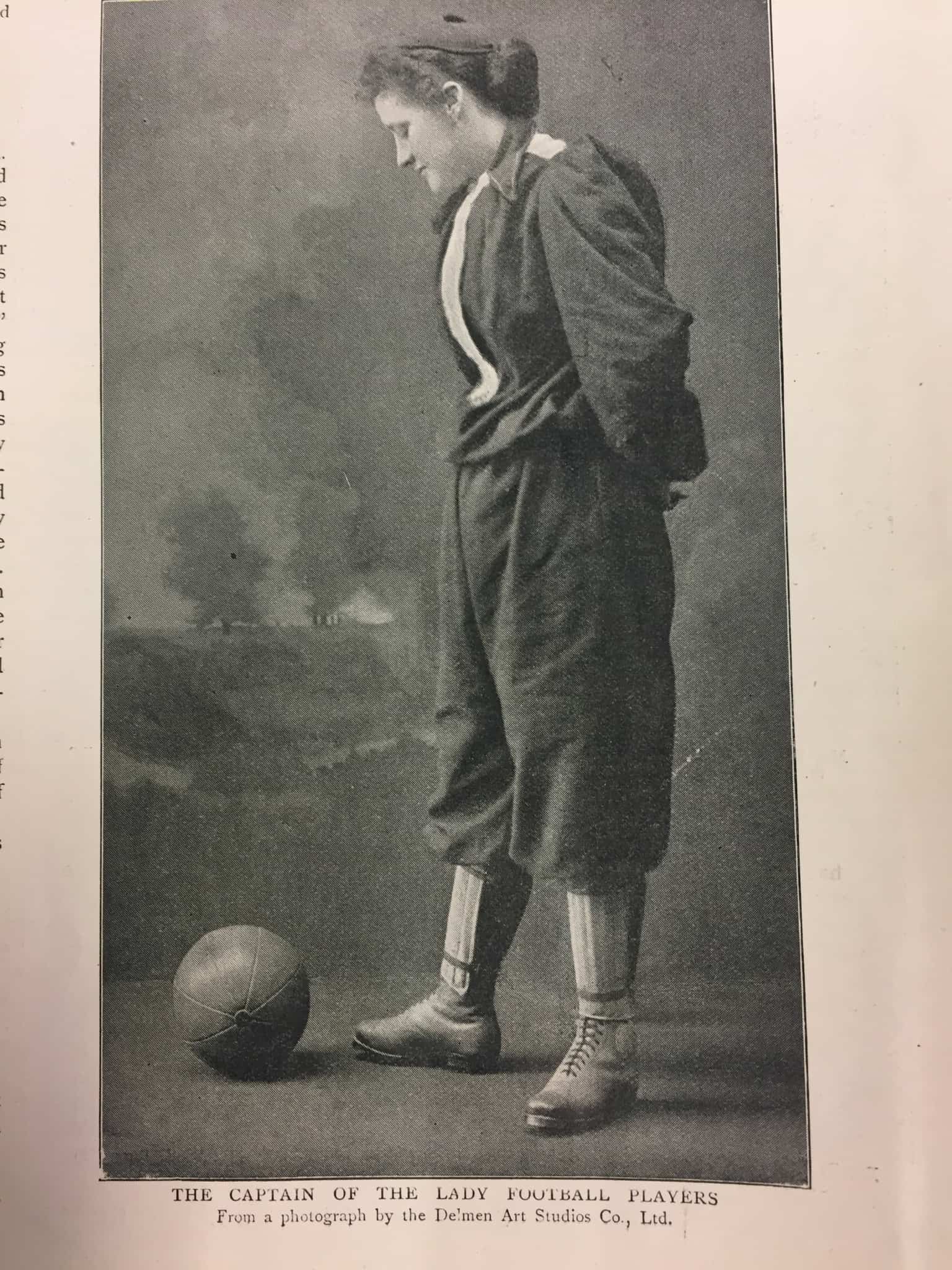
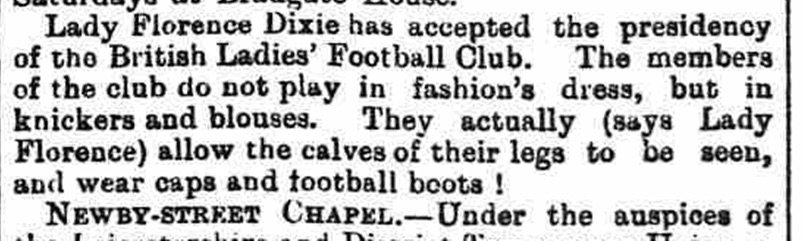
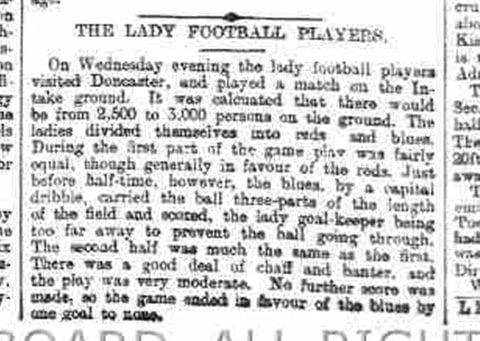
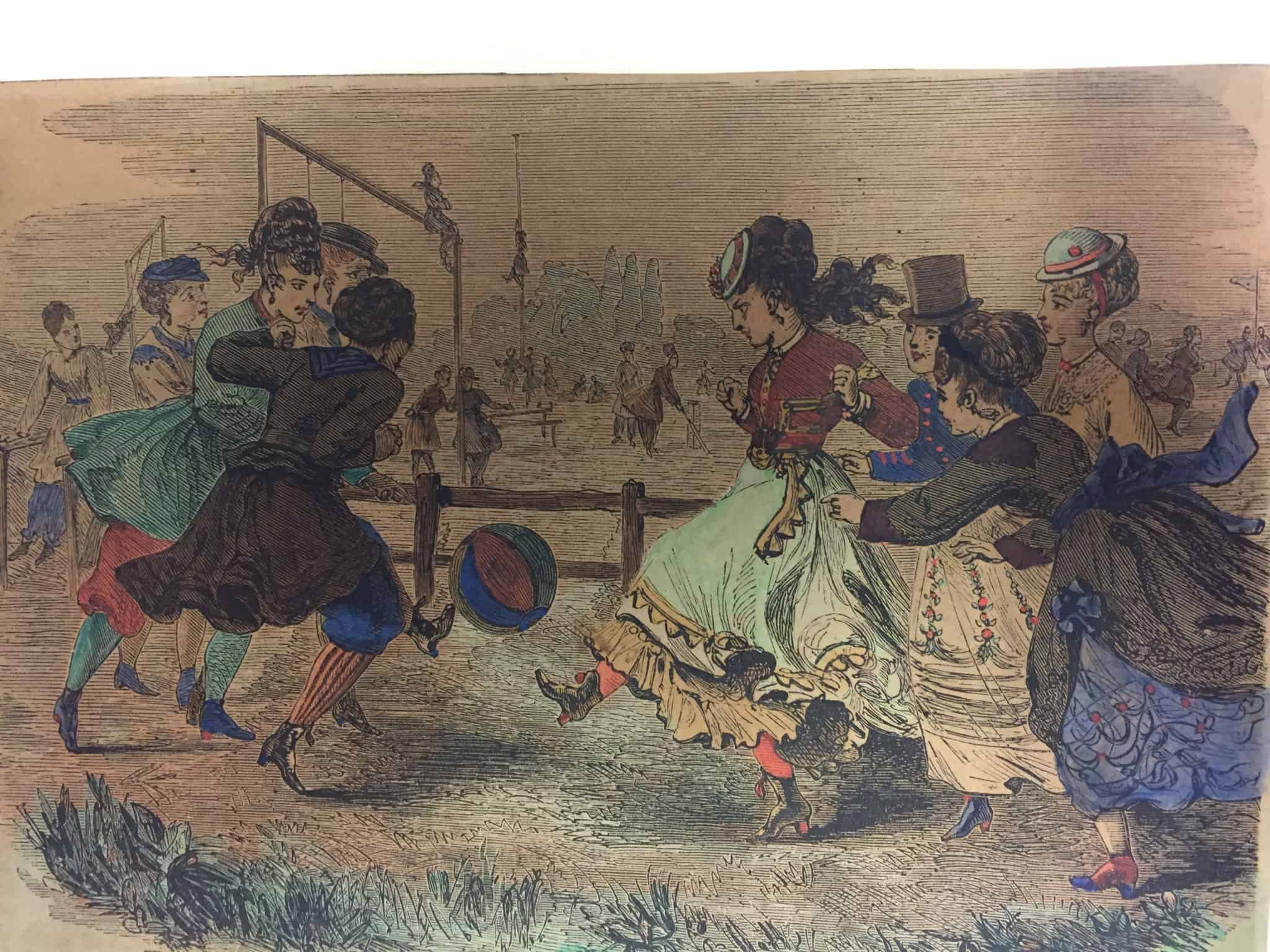
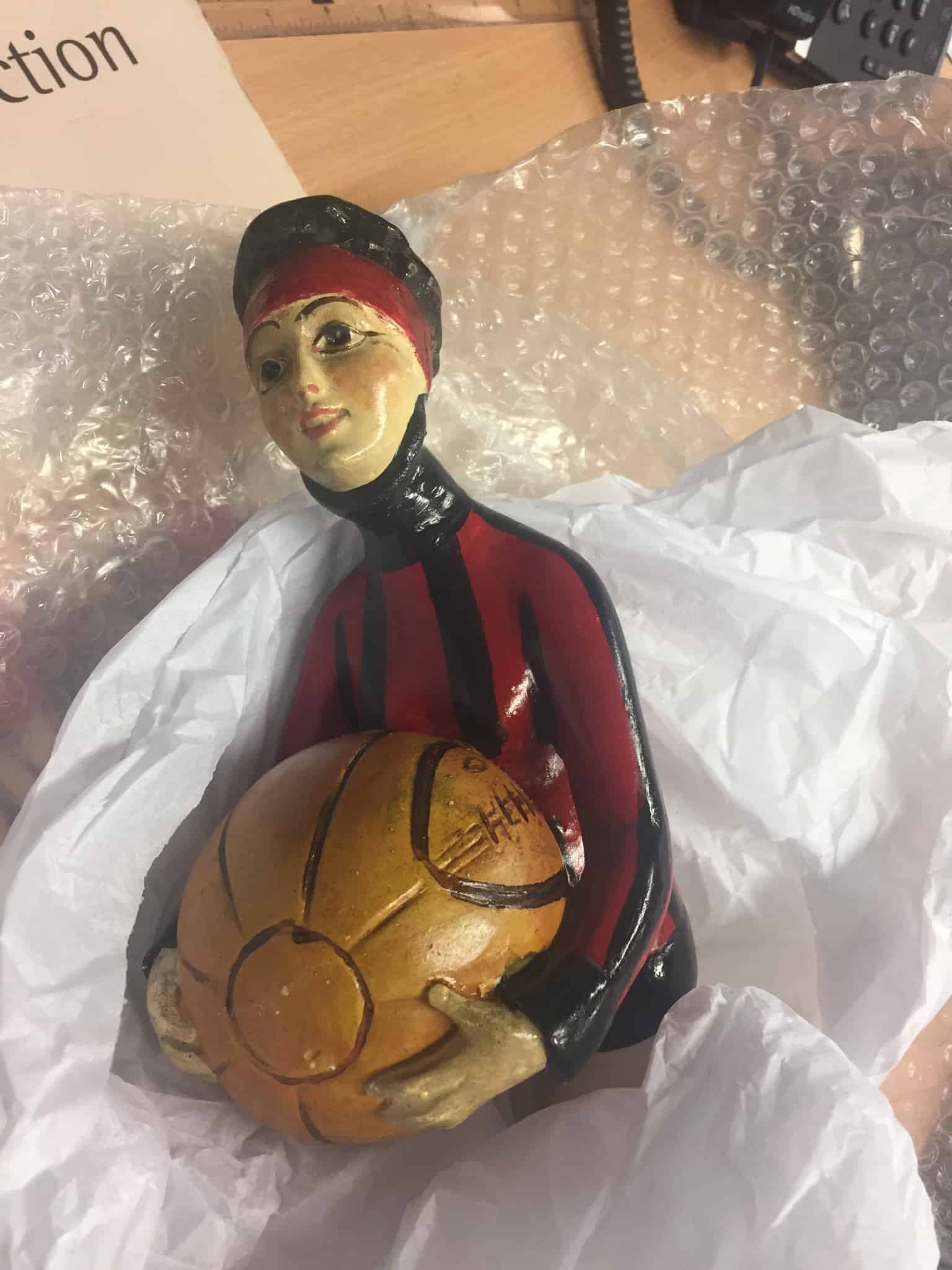
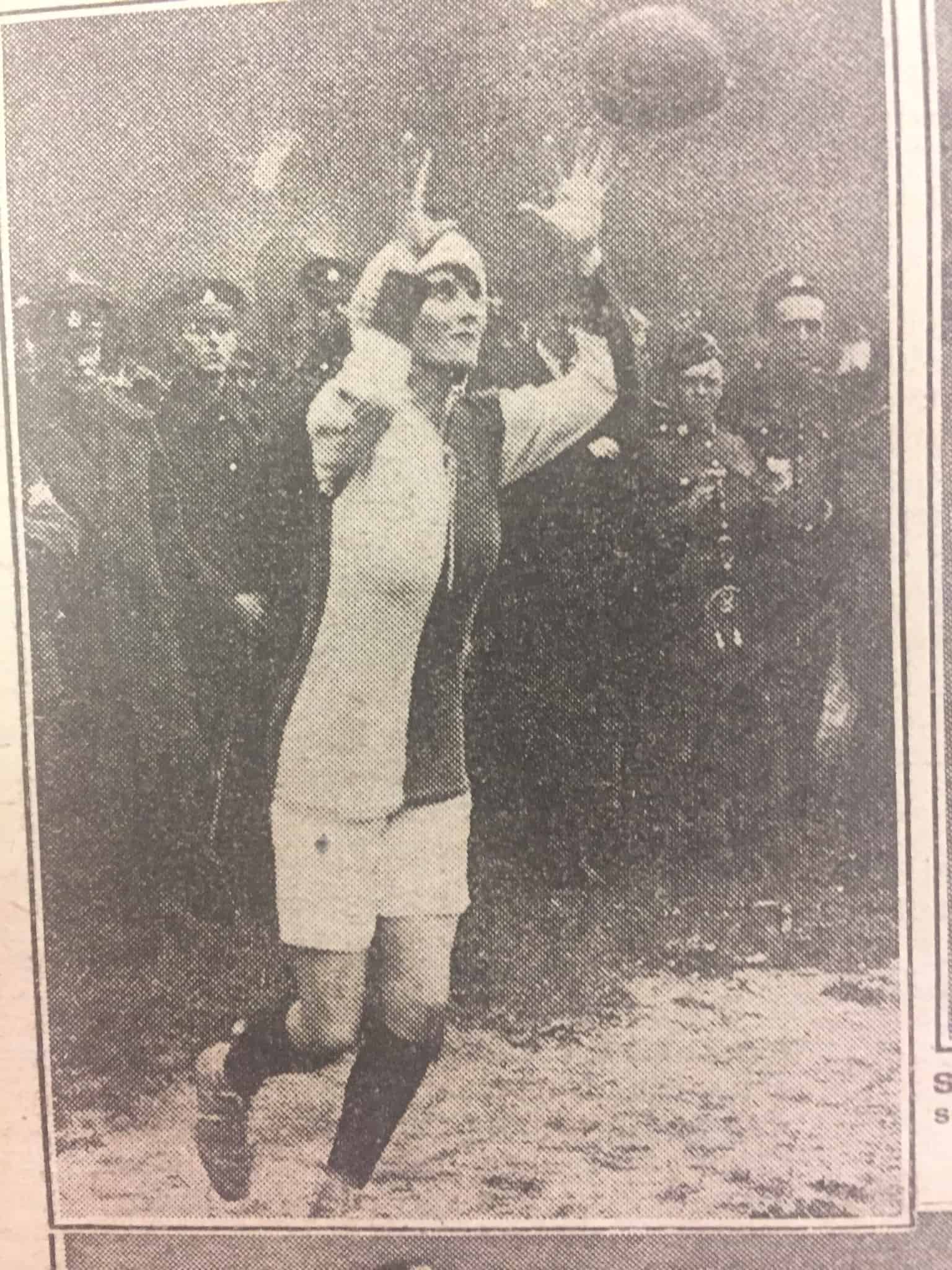
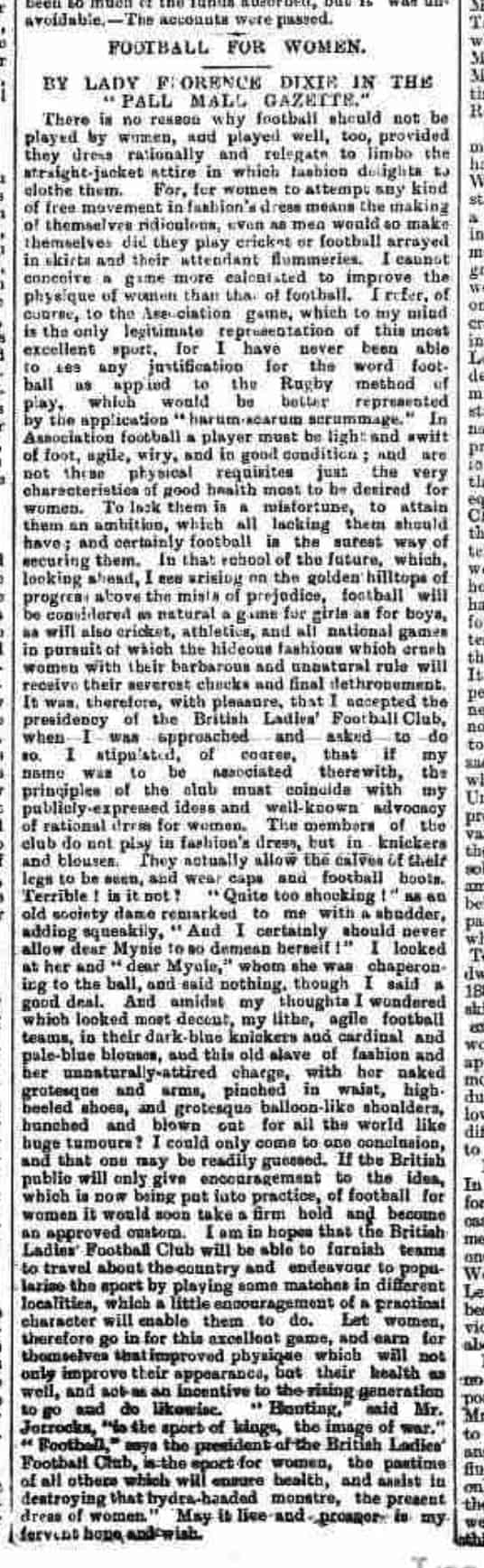
Another myth is that women’s football is only recently professional. The first chapter concerns the beginning of the modern history of women’s football, focusing on Nettie Honeyball who played in the early matches, the first of which took place in 1895 at Crouch End in front of 10,000 paying spectators. Lady Florence Dixie insisted her players wore proper football kits. Mrs Helen Matthews became an important leader of a breakaway team, as did Nellie Hudson. Altogether, between 1894-95 and 1902-03 these teams played over 166 fixtures, as well as practice matches, covering the whole of England, Scotland, Northern Ireland and Wales. Most were played on significant grounds in front of a paying public to raise as much money as possible: an emerging professional formula for women’s football.
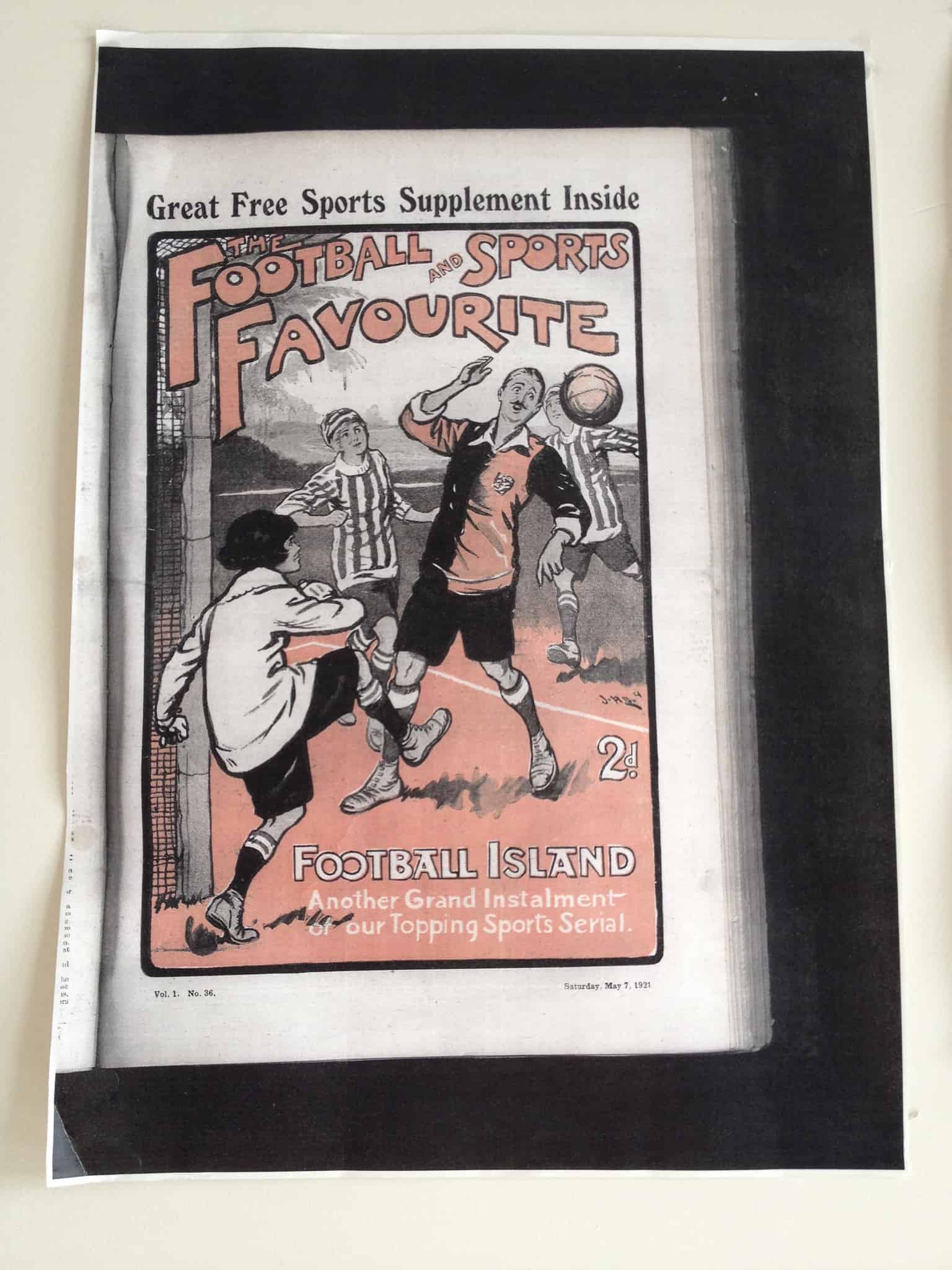
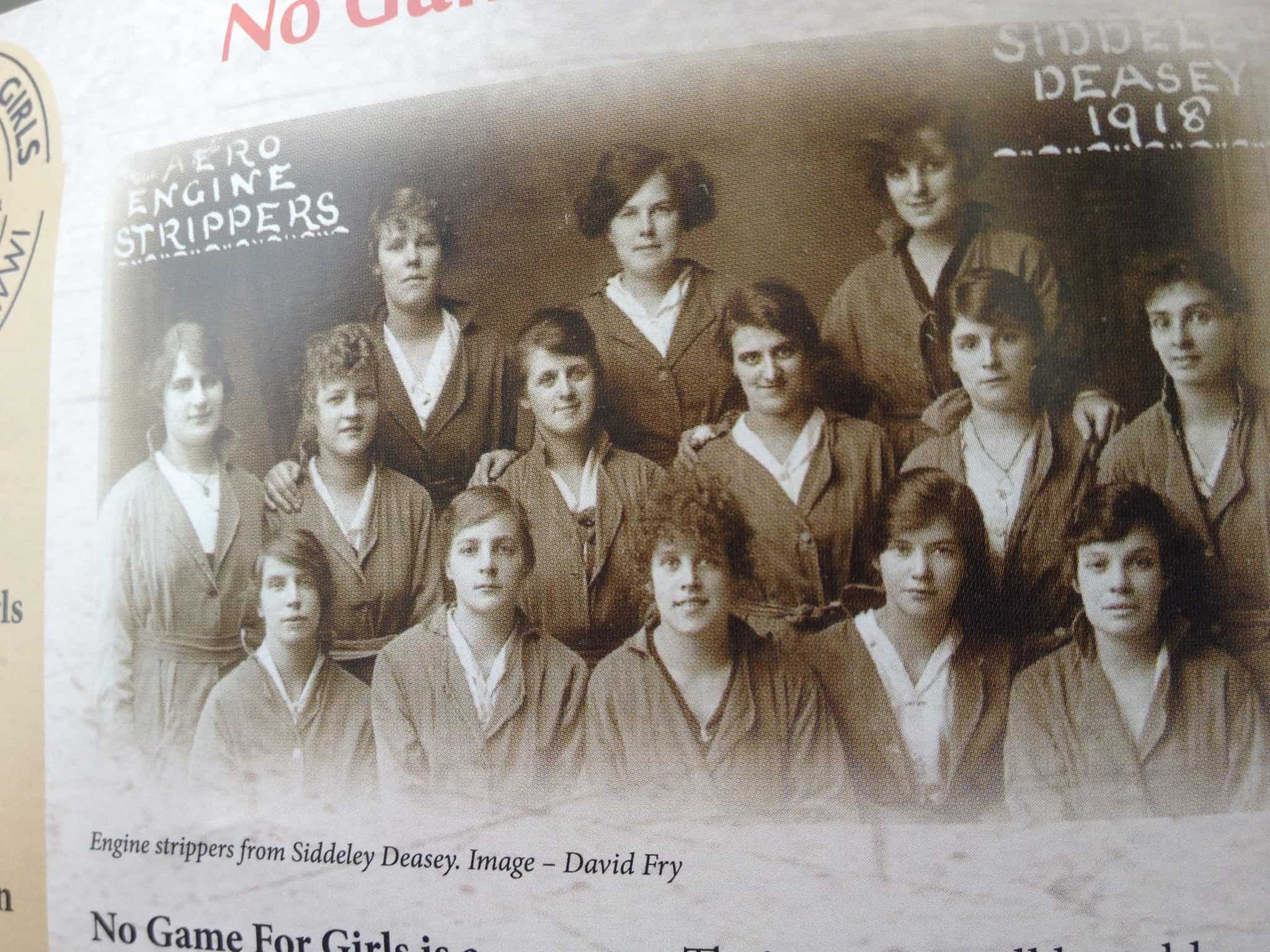
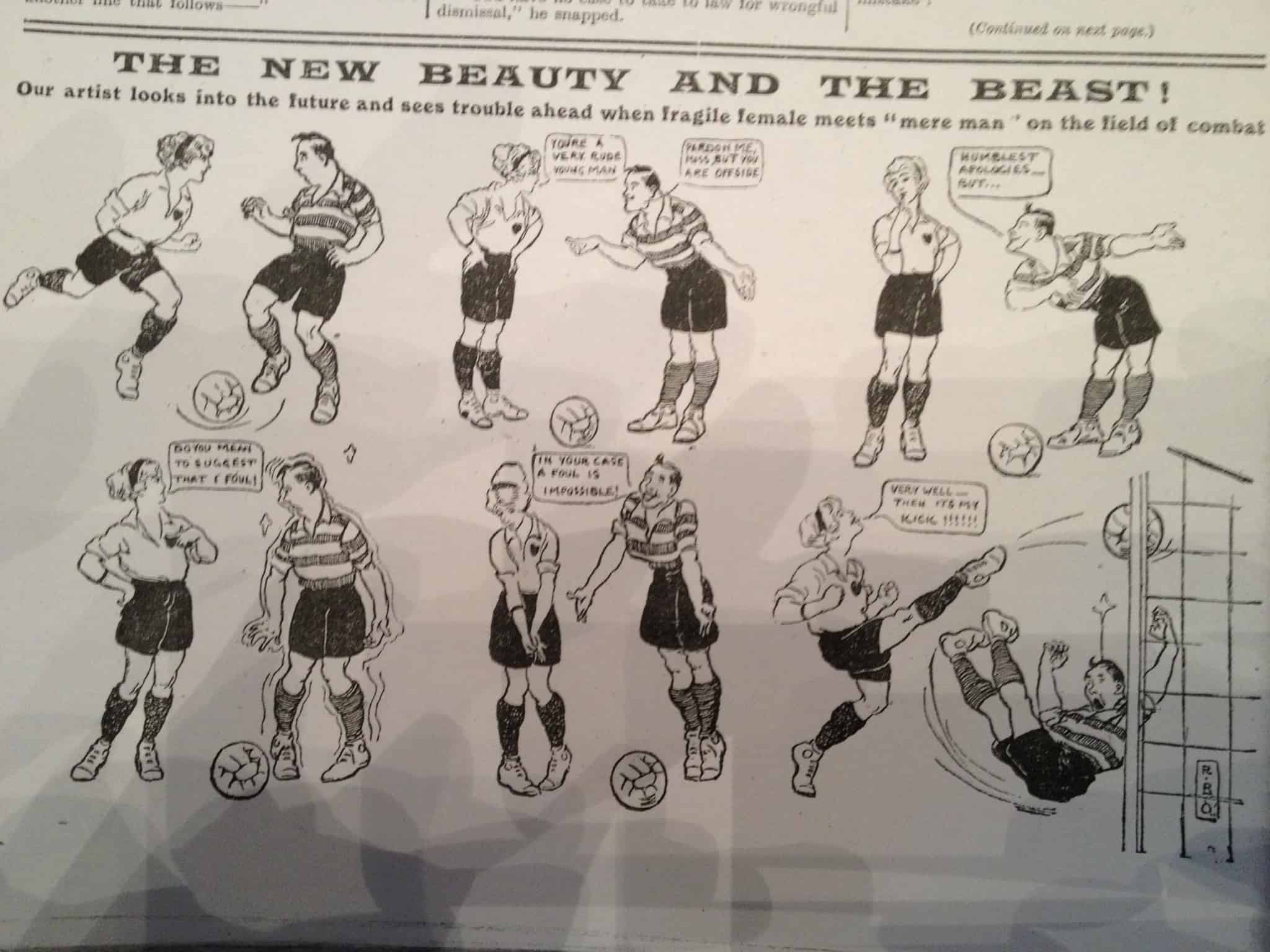
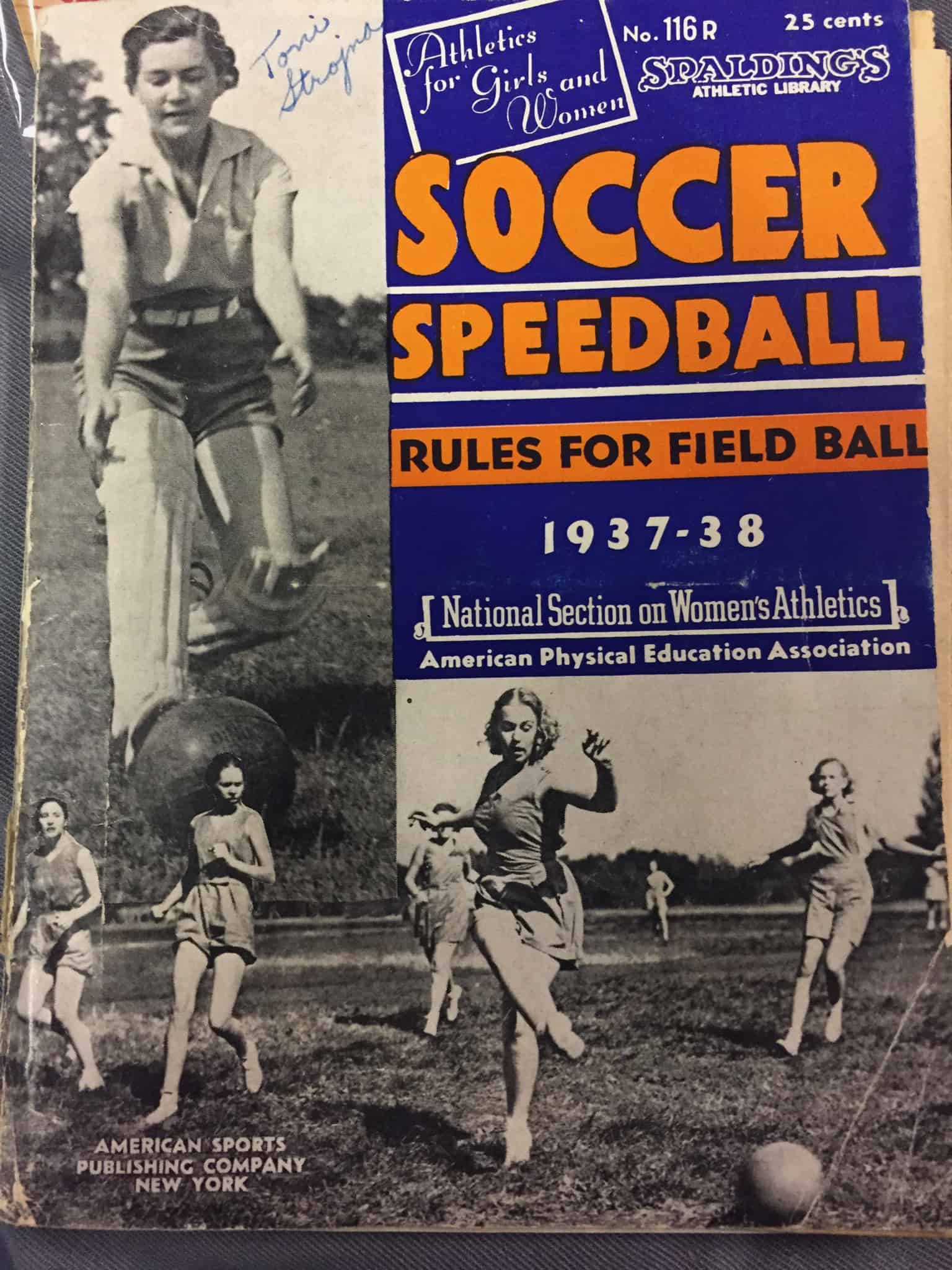
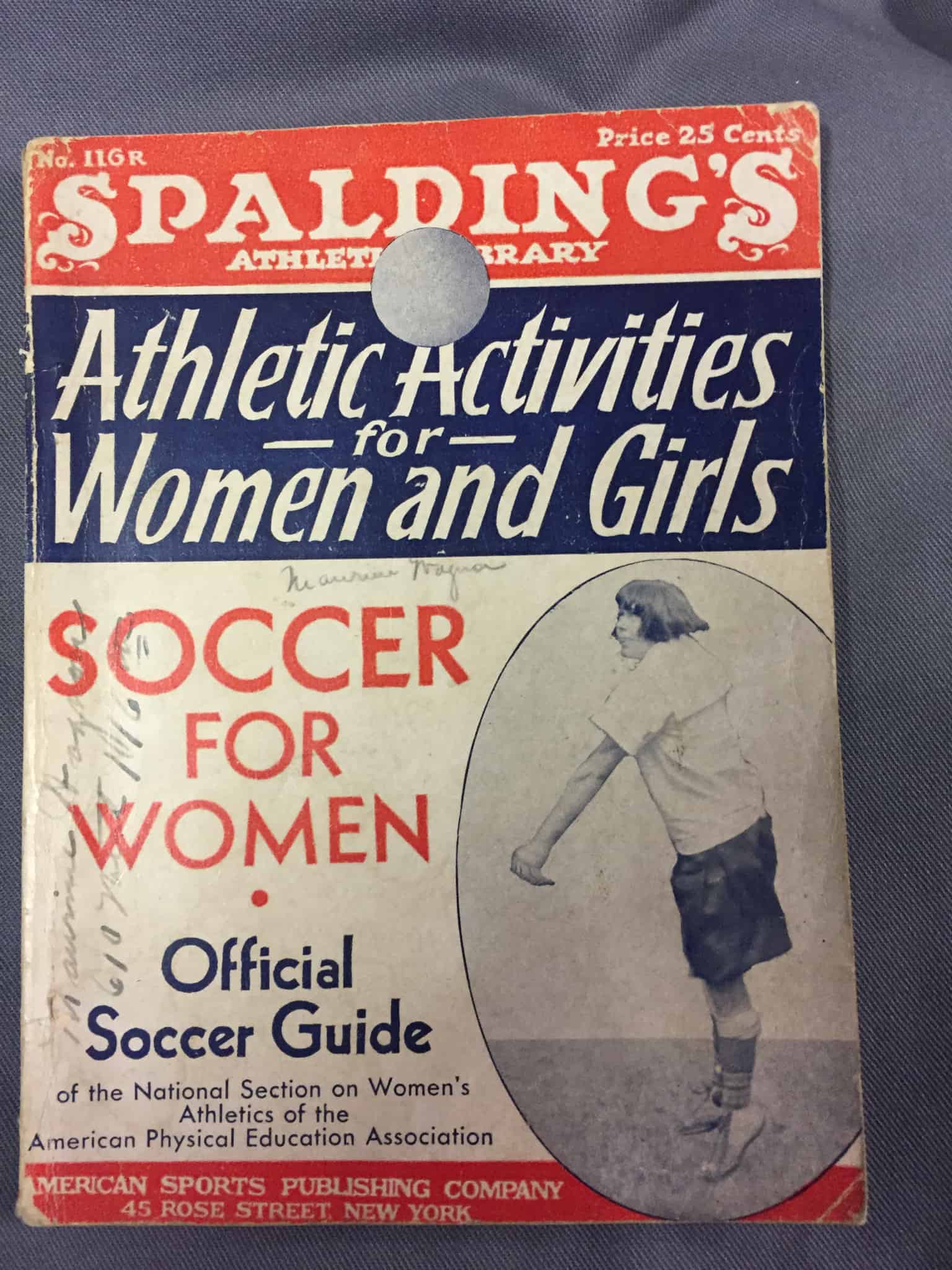
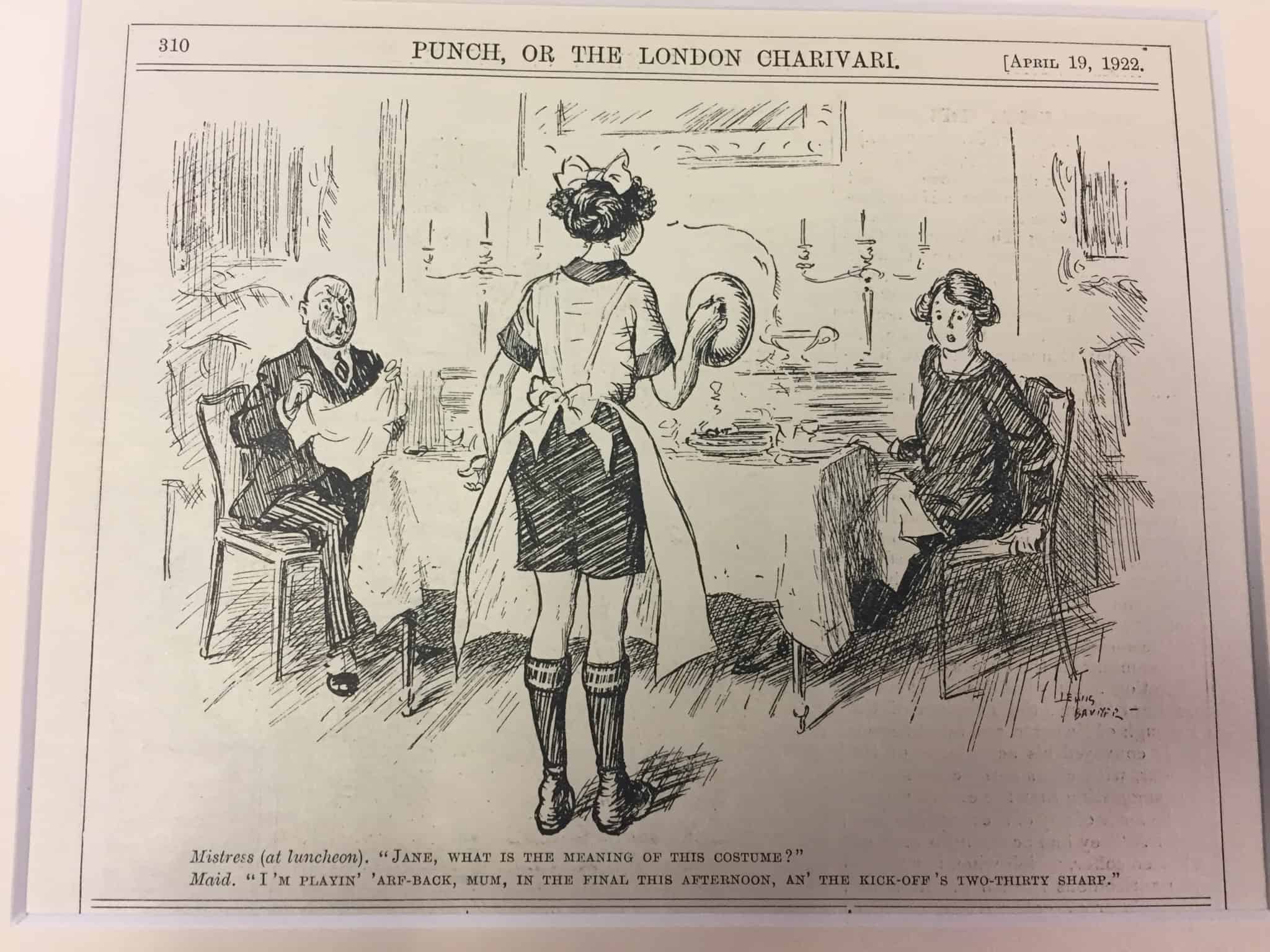
Chapter Two concerns why so many people consider that women’s football is a new phenomenon. This was caused by an FA ruling on 5 December 1921 which requested that the clubs affiliated to it withdrew their pitches from use by women’s teams, on the understanding that it considered football ‘unsuitable’ for women. The FA also ruled that too much money had been absorbed in expenses by players and clubs and there was a danger of professionalism. The precise FA Council wording was: ‘Complaints having been made as to football being played by women, the council feel impelled to express their strong opinion that the game of football is quite unsuitable for females and ought not to be encouraged.’ This ban on women using FA affiliated pitches lasted until 1969/70.
Chapter Three focuses on an important club, globe-trotting Manchester Corinthians Ladies Football Club https://jjheritage.com/corinthians/ who were able to sustain a range of overseas tours and domestic matches in spite of the FA ban. Using a range of methods, including two reunions of the surviving players, the chapter provides a history of Corinthians and their second team, Nomads, from 1949 onwards. Corinthians travelled twice to Germany in 1957, and other overseas trips included six weeks to Portugal/Madeira, and in 1959 two weeks to The Netherlands. The most ambitious tour, supported by the Red Cross, was twelve weeks in South America and the Caribbean in 1960, followed by one month in Italy in 1961, playing on the grounds of Juventus, Milan and other major clubs. During their existence, both Corinthians and Nomads, toured extensively, in all winning more than fifty trophies. Who were the players, and what were their experiences?
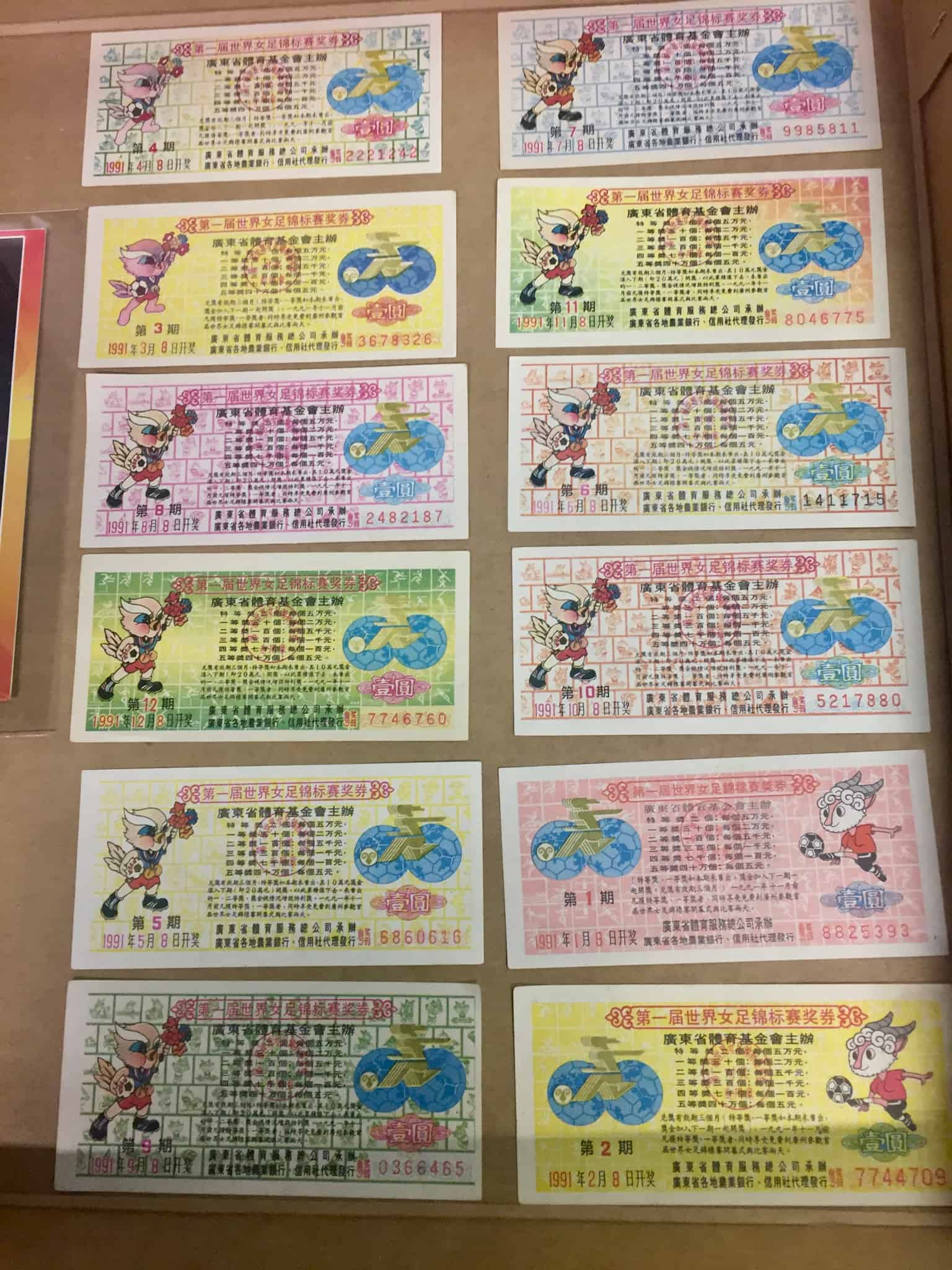
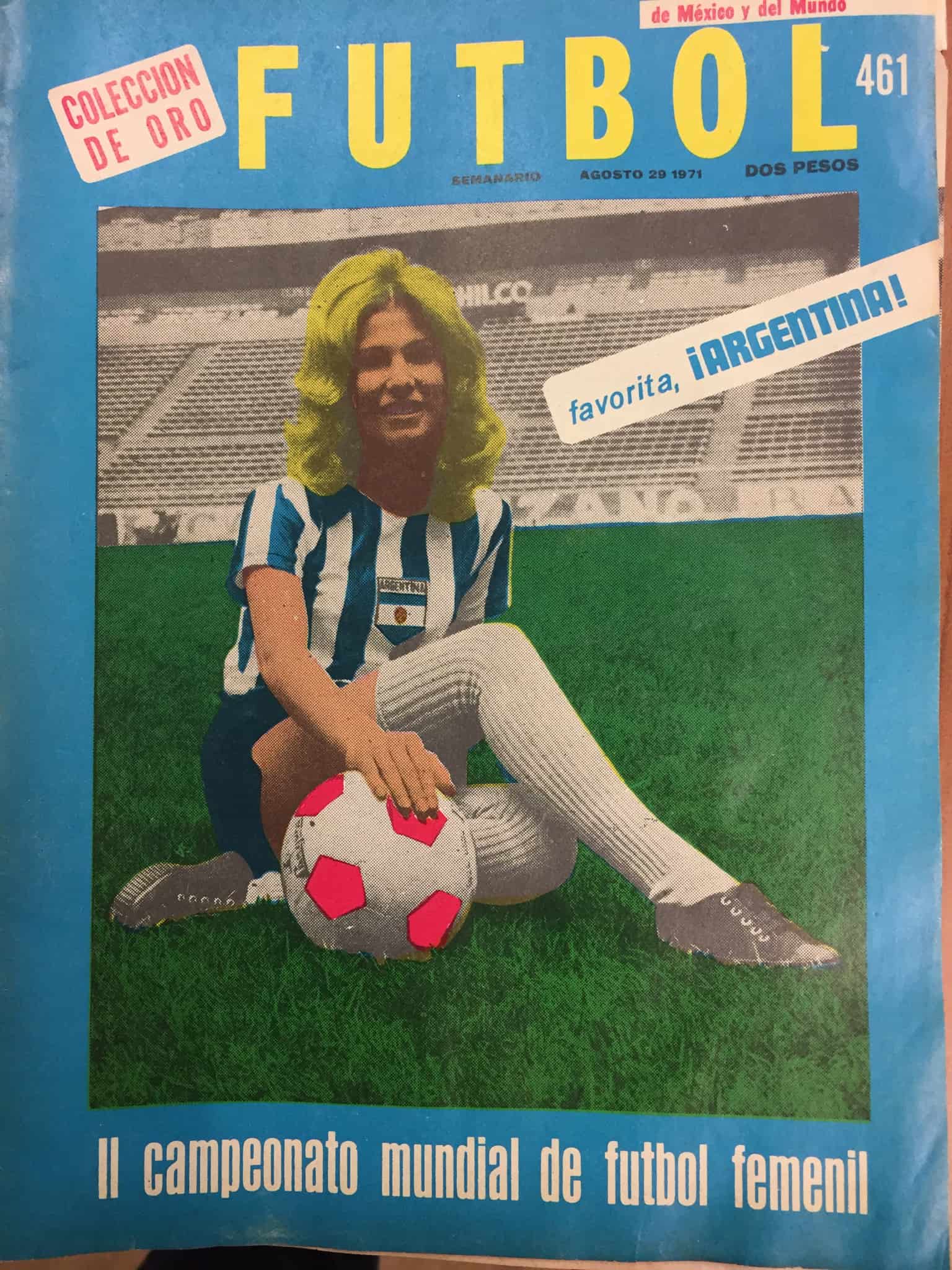
Chapter Four concerns Harry Batt’s Touring Teams 1968-72, as he sought to establish a more ambitious international future for women’s football. Held outside the auspices of FIFA, there was a speculative series of games in Italy, where there had been professional leagues established by businessmen in 1968. Harry Batt could speak several languages, and was also a visionary for women’s football. Harry led an England team to the Women’s World Championship in Italy in 1970, which proved the business case for a Women’s World Cup in 1971, only one year after Mexico hosted the men’s World Cup. Crowds were 80,000 to over 100,000.
Chapter Five follows the establishment of The Women’s Football Association in 1969, just as the European governing body, UEFA, and the world governing body, FIFA, gradually supported women’s football. The glacial rate of change, and the lack of financial support meant that any progress was slow, and often challenged.
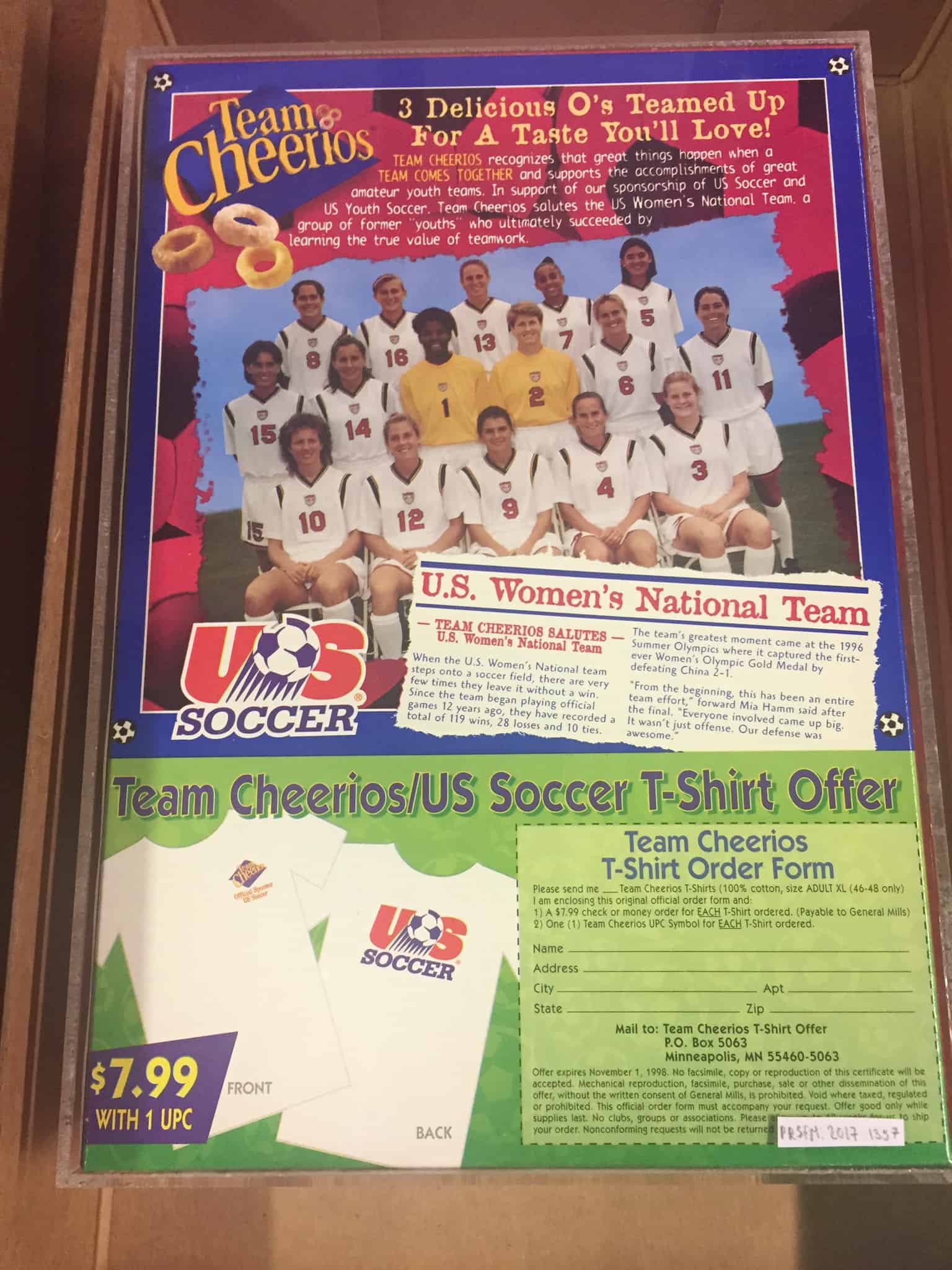
Chapter Six concerns the generation of Lost Lionesses between 1972, when the first ‘official’ England women’s team was formed, and 1998, when Hope Powell was appointed manager. This generation is explored through the lives and careers of the first four England captains: Sheila Parker, Carol Thomas (the first woman to reach 50 caps), Gill Coultard (the first woman to reach 100 caps), and Debbie Bampton MBE.
Chapter Seven concludes the book with a look at different forms of professionalism, and the migration patterns of those women who pioneered professional careers. This shows a growing global market for women in football.
Conclusion

So look out in recent months for a book launch and other activity related to this project. Thanks for the support!