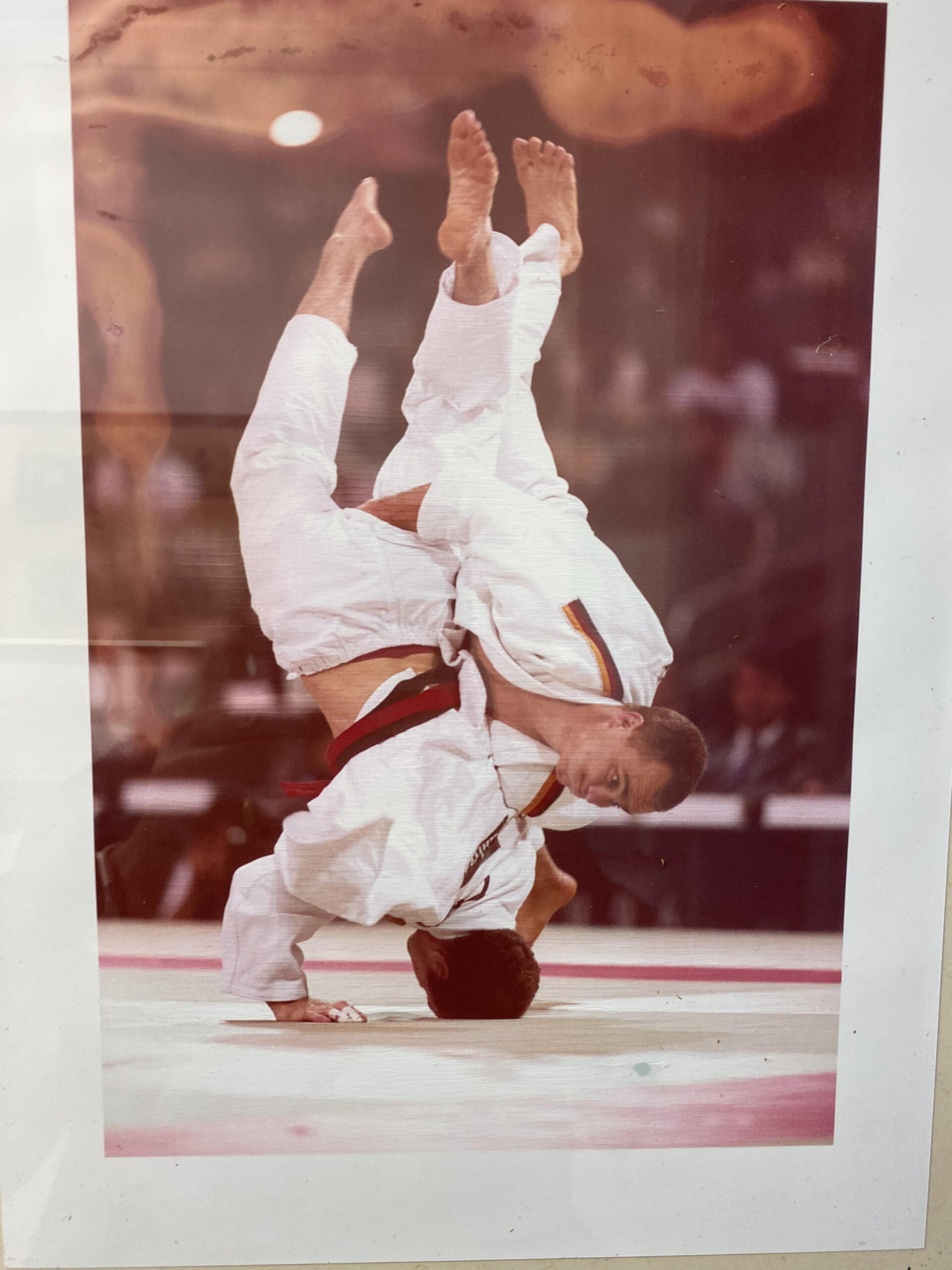
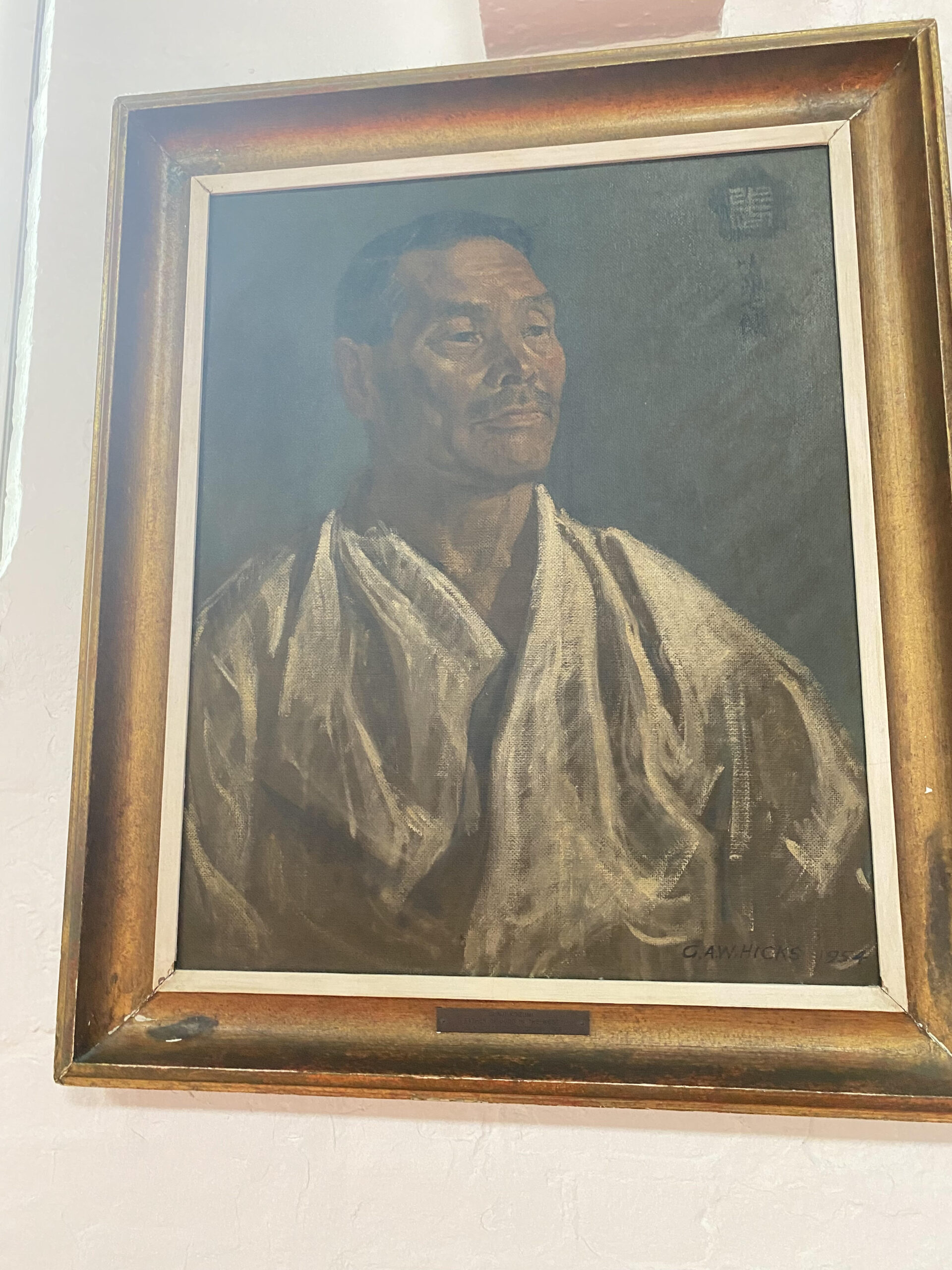
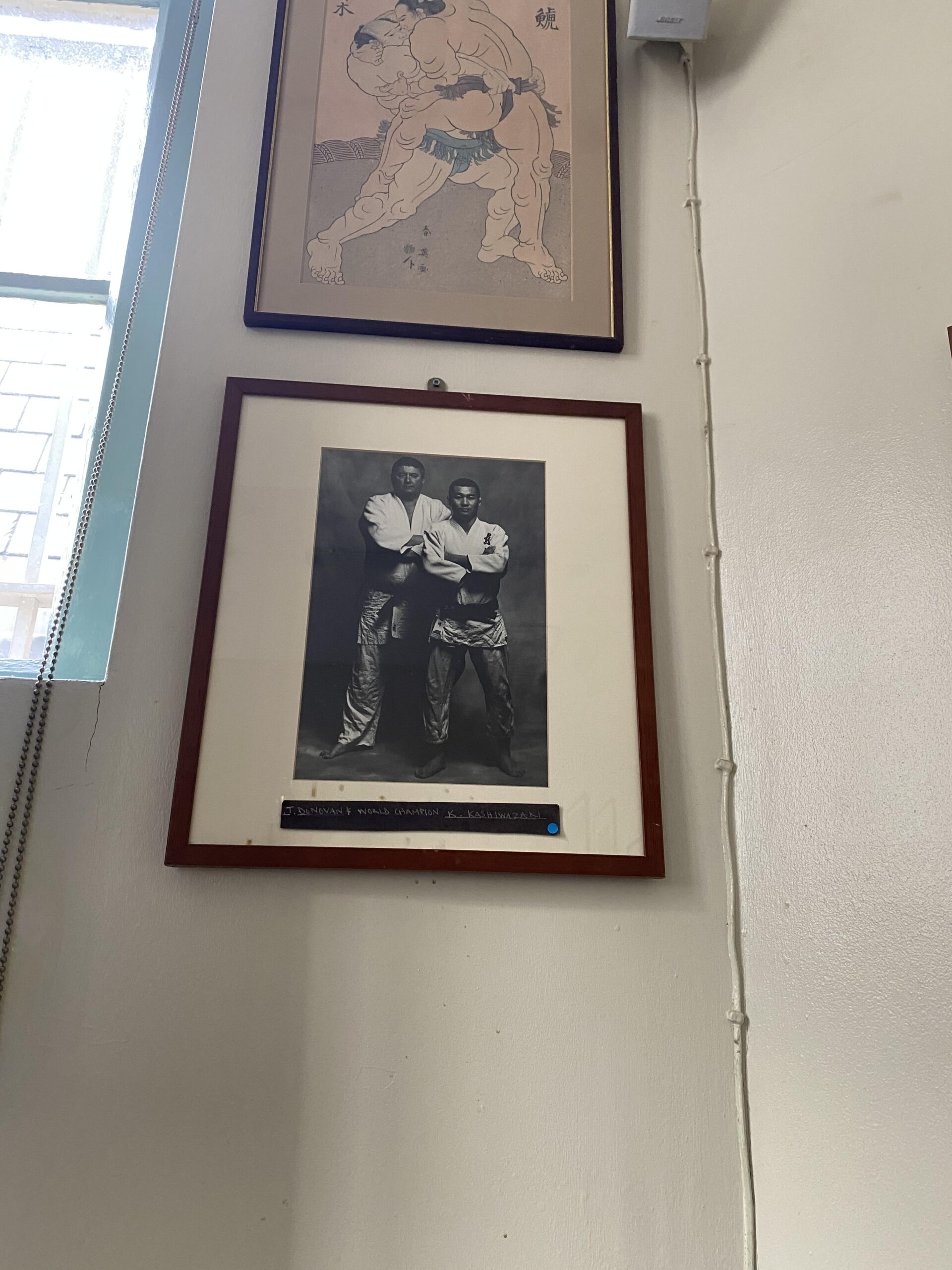
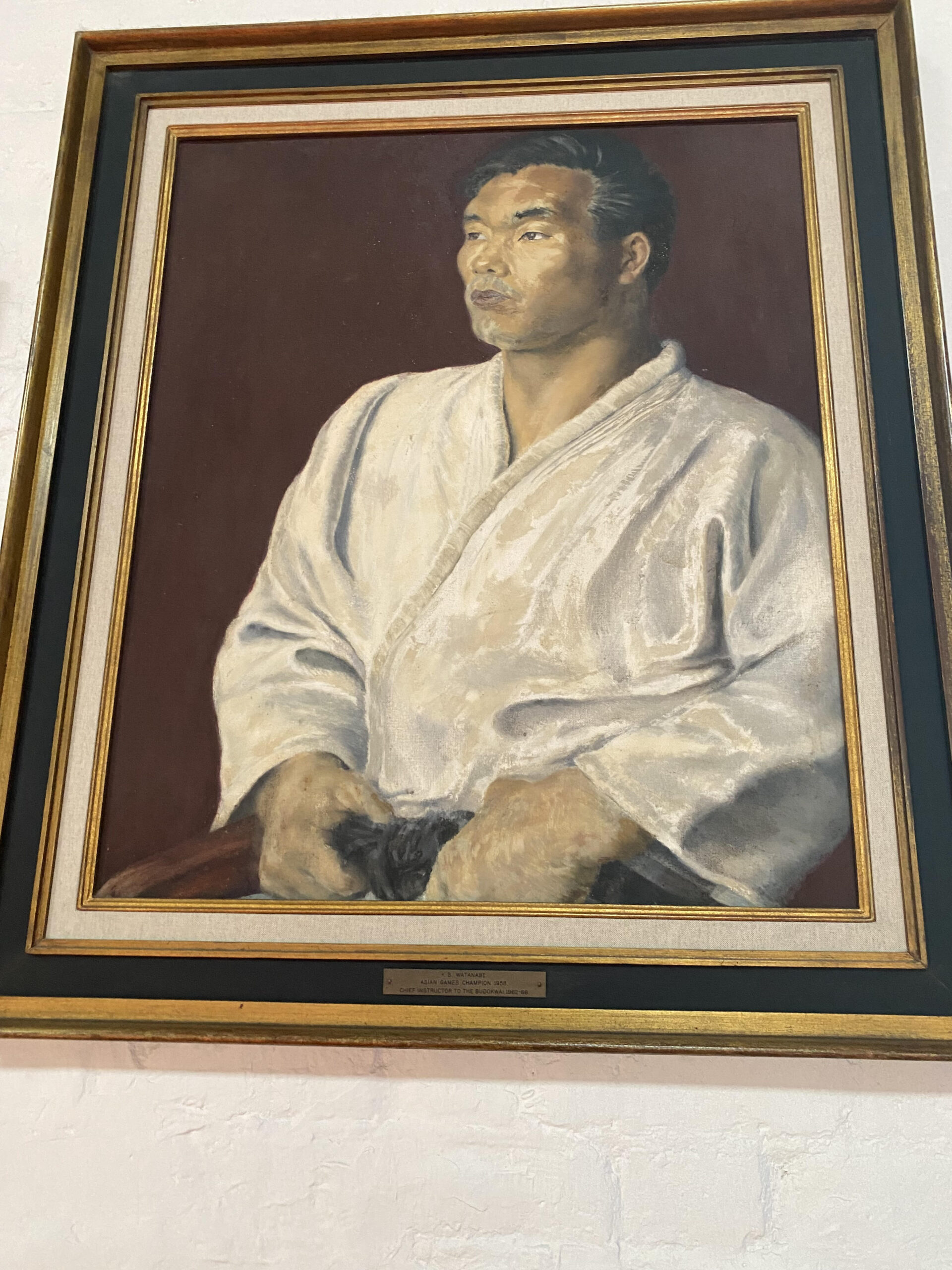
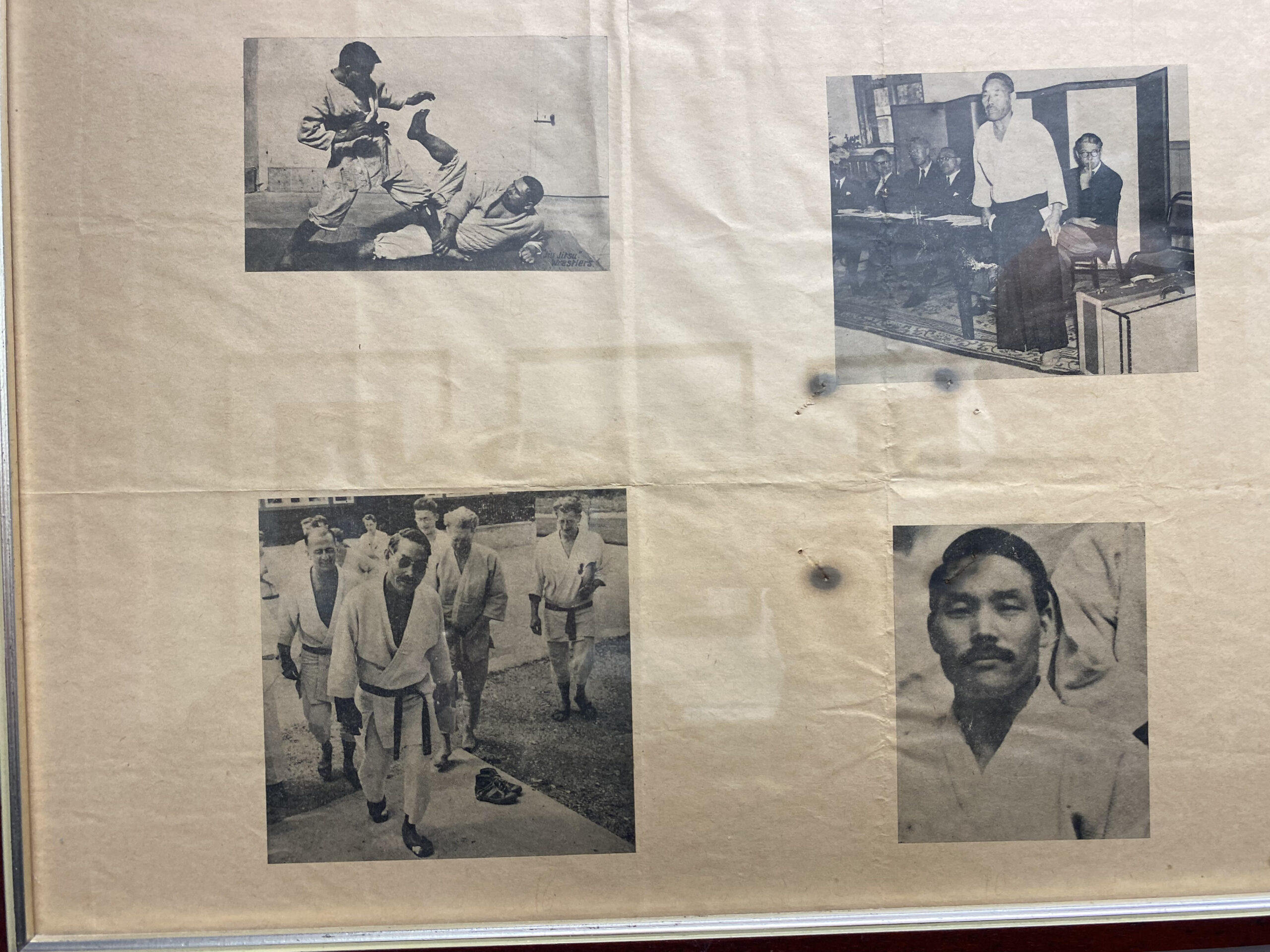
Rather than being something that relied upon strength, Judo relied upon using the weight of the opponent against them, enabling smaller people to topple larger opponents. This was a popular Victorian motif. Arthur Conan Doyle, for instance, was a man who loved sport, playing to a high standard and as a boxer particularly, was keen a member of London’s National Sporting Club when it was formed in 1891. He played on goal for amateur Portsmouth AFC, and was captain of the cricket club, taking the wicket, once, of the great WG Grace. He also loved motor sport, skiing and cycling.
When he introduced the world to Sherlock Holmes in 1888 in book form, there were many references to his many sporting enthusiasms in the fiction. However, Sherlock Holmes was not one of them, and Conan Doyle decided to kill him off in 1893 in the Final Problem, along with his nemesis Professor James Moriarty, plunging to their deaths at The Reichenbach Falls. Although the Hound of the Baskervilles was subsequently published in 1901 as a kind of prequel to Final Problem, Conan Doyle had to give in and concede that Holmes was globally popular, explaining in The Return of Sherlock Holmes in 1903 that he had used a form of Baritsu, a fictionalised interpretation of jujitsu, to use Moriarty’s weight to his advantage before diving into the falls and faking his death for several years to catch more of Moriarty’s gang members. Jujitsu and judo were synonymous at the time.
Unconvincing as a plot twist this may have been, it was rumoured that Queen Victoria was ‘not amused’ by the most famous popular crime fiction writer of her reign, killing off one of her favourite characters. Similarly, although ostensibly knighting Conan Doyle in 1902 for his medical work during the Boer War, Edward VII let it be known that as an avid Sherlock Holmes fan it would not go amiss if ennobling the doctor would produce more stories. This example is just one of the ways in which the idea of Japanese-derived tastes, extending to martial arts, jujitsu and the intelligent use of strength was made absolutely fashionable, and topical as an idea, as much as a reality. Being a Japanophile in style, taste and sympathy was a pursuit endorsed by the highest echelons of Victorian and Edwardian society in Britain.